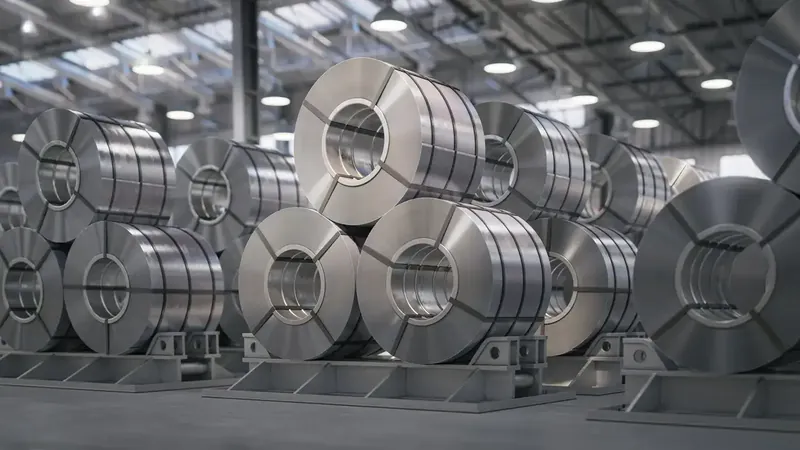
Aluminium stocks faced a downturn on Tuesday as Vedanta Aluminium Metal dropped 5%, while National Aluminium Company and Hindalco fell 4.1% and 3.1% respectively. The Nifty Metal Index slid 1.6%, contrasting with a 0.6% rise in the benchmark Nifty. Analysts attribute this to anticipated supply restoration following the expected opening of the Strait of Hormuz.
The potential signing of a peace deal on June 19th could further impact the sector, with analysts predicting a 5% decline in the metal index. The deal may unlock nearly 10% of global primary aluminium supply, while tumbling energy costs have already lowered global production curves, bringing LME aluminium prices down to around $3,374 per metric tonne.
The Daily Relative Strength Index (RSI) levels have cooled to a neutral-to-bearish zone, indicating potential short-term bounces but suggesting further near-term consolidation towards a global price floor of $3,200 to $3,250. Aluminium prices on the London Metal Exchange have slumped over 8% in June, following a six-month rally that peaked in March.
“This implies that the premium that aluminium based companies were enjoying will get eroded.”
Jateen Trivedi, VP Research Analyst - Commodity and Currency, LKP Securities
Despite the current downturn, Q1 earnings for aluminium companies could be robust due to increased margins from earlier price spikes. The Nifty Metal Index had jumped nearly 7% from the onset of the war until Monday, while the benchmark Nifty declined 5.3% in the same period.
Analysts suggest that investors should wait for a 5-8% correction in the index before reallocating, with Nalco becoming attractive after a 15% dip. Hindalco Industries is recommended as a top defensive pick due to its structural insulation from volatile LME prices.
“The Daily Relative Strength Index (RSI) levels have cooled to a neutral-to-bearish zone, indicating that while short-term dead-cat bounces are possible, the sector faces further near-term consolidation toward a crucial global price floor of $3,200 to $3,250.”
Nishchal Jain, Quant Researcher, Share.Market by Phone Pe
Background
The aluminium sector's recent volatility is rooted in geopolitical tensions and energy cost fluctuations. The anticipated peace deal and supply restoration could stabilize prices, impacting company margins and investor strategies.
Looking ahead, the market will closely monitor the developments around the US-Iran peace deal and its impact on global aluminium supply. Investors are advised to watch for further corrections in the Nifty Metal Index to identify potential buying opportunities.