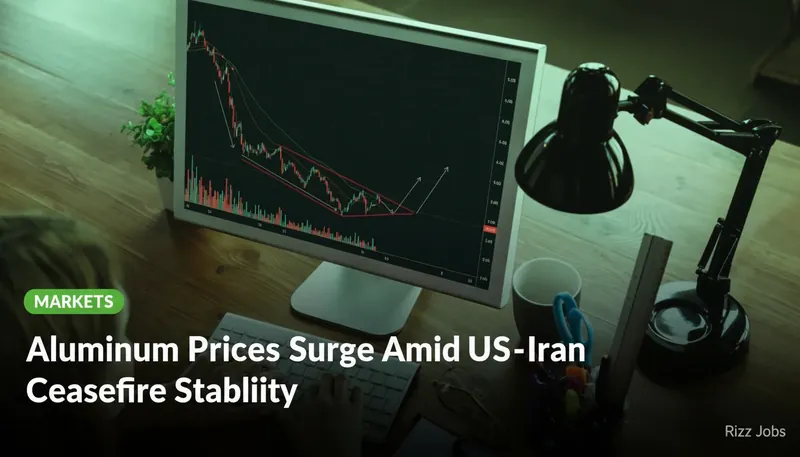
In a significant development for global commodity markets, aluminum prices have surged to their highest in three weeks, driven by the relative stability of the US-Iran ceasefire. This truce has alleviated concerns over potential disruptions in the Middle East, a region critical to global energy supplies. As geopolitical tensions ease, investors are regaining confidence, leading to a rally in industrial metals. The aluminum market, in particular, is responding positively to this geopolitical reprieve, reflecting broader optimism about sustained economic growth.
The Middle East's geopolitical landscape has long been a barometer for commodity markets, especially metals and energy. The recent truce between the US and Iran has provided much-needed respite, reducing the risk of supply chain disruptions that could have adversely affected global markets. For Indian investors and businesses, this development is a double-edged sword. On one hand, stable aluminum prices can benefit industries reliant on this metal, such as automotive and construction. On the other hand, the potential for renewed tensions remains a concern, necessitating a cautious approach.
Indian manufacturers, who are significant consumers of aluminum, stand to gain from the current price stability. This could translate into cost savings and improved margins, particularly in sectors like automotive manufacturing and infrastructure development. Additionally, the rally in aluminum prices may also impact the Indian stock market, with metal stocks potentially experiencing increased investor interest.
The broader implications of this price surge extend to the Indian economy's growth trajectory. As industrial activity picks up, driven by stable commodity prices and improved investor sentiment, the outlook for economic growth remains positive. However, stakeholders must remain vigilant, as geopolitical developments can swiftly alter market dynamics. For now, the US-Iran ceasefire provides a window of opportunity for strategic planning and investment in the metals sector.