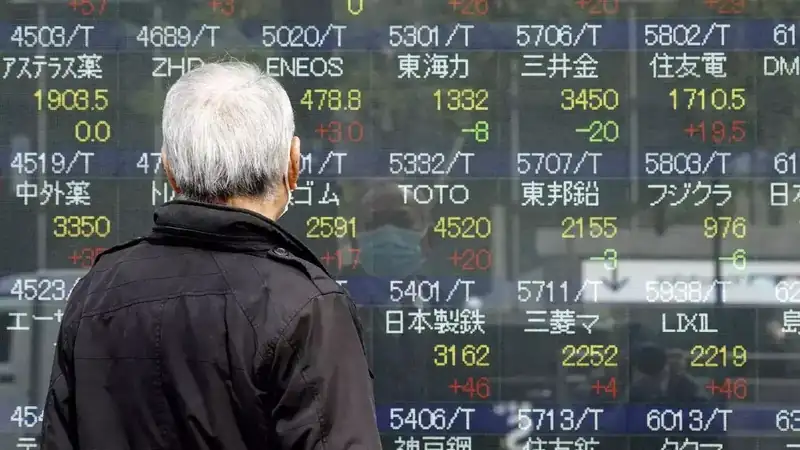
The MSCI Asia Pacific Index rose nearly 1% in early trading on Wednesday, recovering from a 3.6% slump on Tuesday, the steepest since early March. The chip-heavy Kospi index in South Korea climbed about 4%, rebounding from a 10% drop in the previous session, with Samsung Electronics Co. shares surging 10% on buyback speculation.
US equity futures also showed gains following significant declines in the Nasdaq 100 and S&P 500 on Tuesday.
The recent market volatility has heightened attention on Micron Technology Inc.'s earnings report, expected on Wednesday. The report is anticipated to provide insights into the demand for AI infrastructure, which has been a key driver of this year's market rally. Despite a 13% drop in Micron's shares on Tuesday, they remain up over 250% in 2026.
“Whether or not we rally in the short-term, we continue to see medium-term downside risk for the tech/AI trade.”
Jonathan Krinsky, Chief Market Technician at BTIG LLC
Brent crude prices edged lower, trading below $77 a barrel, as tanker traffic through the Strait of Hormuz increased following a peace agreement between the US and Iran. The Bloomberg Dollar Spot Index steadied after a two-day rise.
In fixed income markets, US Treasuries advanced on Tuesday, with yields falling by one to three basis points. This movement was driven by the equity selloff and declining oil prices, which reduced pressure on the Federal Reserve to raise interest rates. The two-year Treasury yield dropped around three basis points to approximately 4.20%.
Background
The global markets are navigating a complex landscape as they approach the end of the first half of 2026, marked by significant gains from easing geopolitical tensions and an AI trade revival. However, concerns about the sustainability of tech firms' spending and elevated valuations persist, leading to periodic sharp pullbacks.
Looking ahead, investors will be closely monitoring Micron's earnings and upcoming US personal spending data for further market cues. The evolving geopolitical landscape and central bank policies will also remain key factors influencing market dynamics.