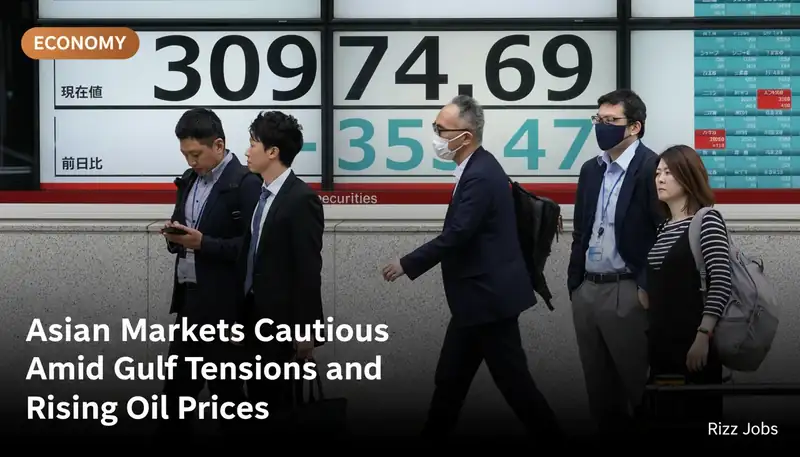
Asian markets are treading carefully as geopolitical tensions in the Gulf region threaten to disrupt a fragile ceasefire. The potential breakdown of peace in the region has sent ripples through the global financial landscape, with the Strait of Hormuz—a critical chokepoint for global oil shipments—facing renewed threats. This has led to a resurgence in oil prices, which had shown signs of stabilizing. The uptick in oil futures is not just a regional concern but a global one, as it adds to the already mounting inflationary pressures that have been a headache for central banks worldwide.
For Indian investors, the situation is particularly significant. India's heavy reliance on oil imports means that any sustained increase in oil prices could have a direct impact on inflation rates domestically. This, in turn, could influence the Reserve Bank of India's monetary policy decisions, potentially leading to adjustments in interest rates to curb inflation. The delicate balance between fostering economic growth and controlling inflation becomes even more precarious in such volatile times.
Moreover, the cautious sentiment in Asian markets is reflected in trading volumes and investor behavior. With the specter of prolonged inflation looming large, investors are likely to adopt a wait-and-see approach, carefully analyzing central bank signals and macroeconomic data before making significant moves. This cautiousness is mirrored in the subdued performance of major indices across Asia, which are grappling with the dual challenges of geopolitical instability and economic uncertainty.
As the situation unfolds, stakeholders across the financial spectrum—from policymakers to individual investors—will need to remain vigilant. The interplay between geopolitical developments and economic indicators will be crucial in shaping market dynamics in the coming weeks. For now, the focus remains on monitoring the Gulf situation and its potential ripple effects on global and Indian markets.