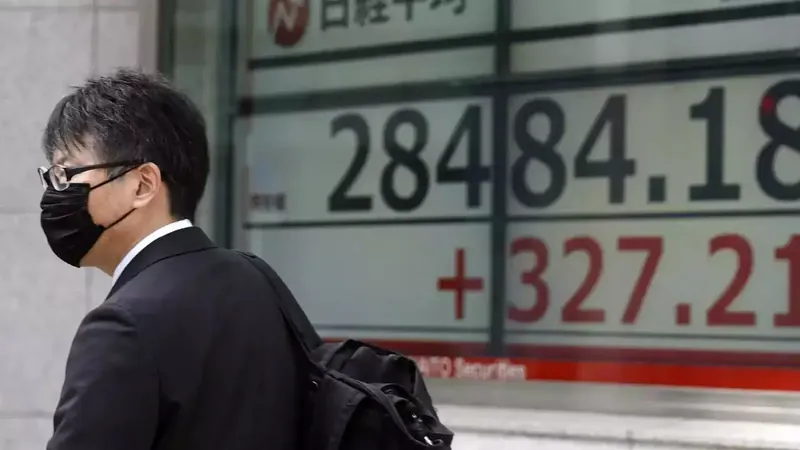
Asian stocks saw an uptick as markets in Japan and South Korea advanced, lifting the MSCI Asia Pacific Index by 0.3%. This rise follows a tech-driven rally in the US, where the S&P 500 climbed 0.8% and the Nasdaq 100 gained 1.7%. Investors are optimistic despite geopolitical tensions, buoyed by resilient US economic data.
The semiconductor sector played a significant role in the US market rally, with a gauge of semiconductor stocks rising nearly 4%, marking a record quarterly advance. In commodity markets, Brent crude edged 0.7% higher to around $73.50 a barrel, recovering some losses from the previous day. Meanwhile, gold steadied at approximately $4,010 an ounce, and the yen traded around 162.65 per dollar after hitting a 40-year low earlier this week.
US economic indicators have shown resilience, with steady consumer spending and a robust labor market easing concerns about potential growth derailments due to higher energy prices and trade uncertainties. The Federal Reserve's decision to keep interest rates steady, as announced in their last meeting led by Chairman Kevin Warsh, reflects confidence in the current economic conditions.
“The markets have proven to be the ultimate grinder as they keep crushing it, despite a lot of hand-wringing that has gone along with this incredible rally that has endured deep selloffs, the Iran war and a number of other outside influences.”
JJ Kinahan, Cboe Global Markets
In Asia, the yen's depreciation to a four-decade low against the dollar has traders watching for potential intervention by Japan's Finance Ministry. The currency's breach of the 162 per dollar level has led strategists to anticipate further declines.
US diplomatic efforts in the Middle East continue, with positive discussions reported between US negotiators and regional leaders in Qatar. However, recent clashes over the Strait of Hormuz have posed challenges to these negotiations.
“While occasional reports of renewed friction have prompted brief moves in energy markets, investors continue to price in a relatively orderly reopening of the Strait of Hormuz and a gradual normalization of global oil flows.”
Daniela Hathorn, Capital.com
Background
The global markets have been navigating a complex landscape of geopolitical tensions and economic uncertainties. The resilience of the US economy, particularly in consumer spending and labor markets, has provided a buffer against potential disruptions. The Federal Reserve's cautious approach to interest rates reflects a balancing act between fostering growth and controlling inflation.
Looking ahead, market participants will focus on the Federal Reserve's upcoming policy meeting at the end of July, where any indications of future rate hikes to control inflation will be closely monitored.