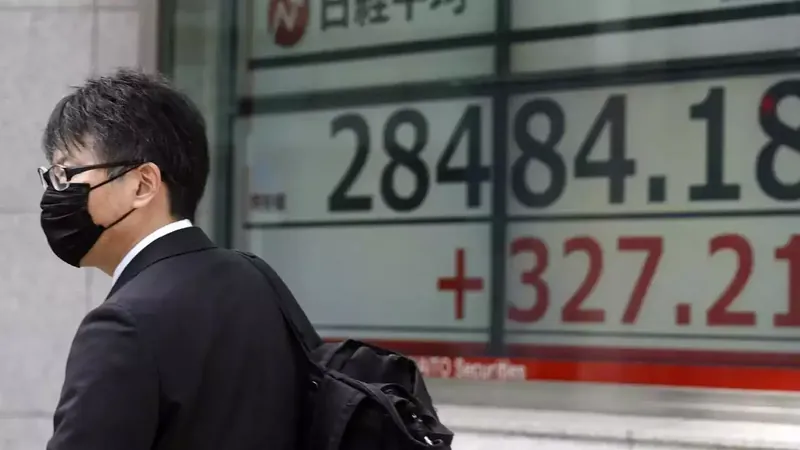
Stocks rose in Japan and Australia on Tuesday, with the MSCI Asia Pacific Index climbing 0.2%, as South Korean markets remained closed for a holiday. The S&P 500 Index in the US closed at an all-time high, driven by a nearly 6% surge in chipmaker stocks, marking its longest winning streak since May.
Brent crude prices increased by 0.8% to $96.75 a barrel amid reports of missile strikes in the Middle East. The US Central Command reported that US forces defeated multiple Iranian ballistic missiles and drones, conducting self-defense strikes on Qeshm Island in response to attempted attacks by Iran on June 2. Meanwhile, the dollar strengthened against all its Group-of-10 peers, and Bitcoin fell to around $66,700.
In the US session, Treasuries retreated from their best levels in a month as labor-market reports supported expectations of a Federal Reserve interest rate hike. Investors are optimistic about AI-linked stocks, propelling global equities to record highs, with hopes for a resolution to the Middle East conflict further boosting market sentiment.
“Tech continues to dominate the market. The trend remains positive, with the catalyst for further material gains possible with a resolution with Iran.”
Louis Navellier, Veteran Strategist
Focus in Asia is on the yen, as traders await a speech from Bank of Japan Governor Kazuo Ueda for insights on interest rate outlooks. President Donald Trump expressed optimism about reaching an interim peace deal with Iran, despite reports of suspended talks. Iranian officials are reportedly discussing their 'final text' to send to the US, with the Strait of Hormuz remaining a critical focus for oil markets.
US job openings surged in April to their highest level in nearly two years, with layoffs decreasing, indicating a resilient labor market. Rising energy costs due to the Iran conflict pose challenges, but there is hope that easing geopolitical tensions and strong earnings growth will support risk assets.
“The jobs market continues to hold its ground. There’s hope that energy prices will retreat after a geopolitically charged surge in the first quarter, allowing the Fed to stay on hold while inflation eases in the second half of the year.”
Bret Kenwell, eToro
Background
The global markets are currently navigating a complex landscape of geopolitical tensions, particularly in the Middle East, and economic indicators such as labor market resilience and interest rate expectations. The ongoing conflict involving Iran and the potential for a peace deal are significant factors influencing investor sentiment and market dynamics.
As markets navigate geopolitical tensions and economic indicators, investors will be closely watching developments in the Middle East and the Federal Reserve's next moves on interest rates. The potential for a peace deal with Iran and the trajectory of energy prices will be key factors influencing market dynamics.