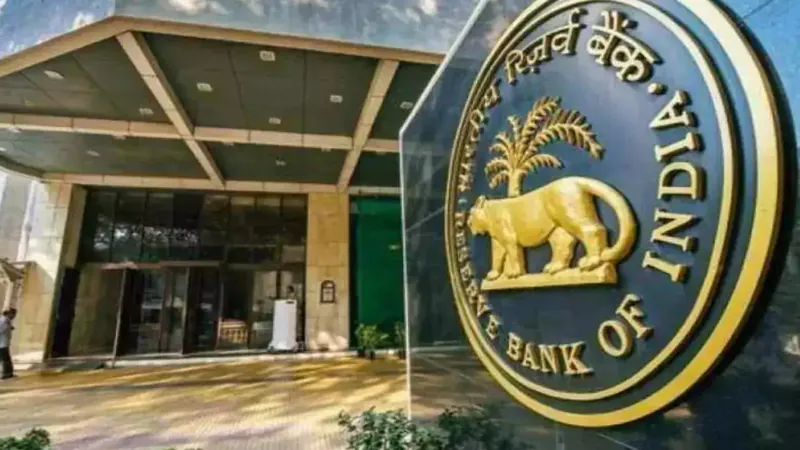
The liquidity in India's banking system has plummeted to its lowest level in the current financial year, reaching ₹4,772 crore as of June 17. This decline is attributed to advanced tax outflows, which have significantly drained liquidity that was in surplus of around ₹1.70 lakh crore just a week ago.
Economists highlight that the quarterly advance tax outflows have led to approximately ₹2 lakh crore exiting the banking system.
Despite the current liquidity crunch, the Reserve Bank of India (RBI) is actively managing the situation through its Variable Rate Repo (VRR) operations, providing temporary liquidity support to banks.
“The current decrease in surplus is majorly because of advanced tax outflows. There was no intervention that impacted liquidity because the currency has now been appreciating for the past week.”
Gaura Sengupta, Chief Economist at IDFC First Bank
The central bank has conducted three VRR auctions this week, with maturities ranging from overnight to seven days.
Looking ahead, system liquidity is expected to improve in the second quarter as the RBI implements measures to attract foreign inflows through FCNR(B) deposits and the ECB route.
“There will be a temporary influx of liquidity in the second quarter, and the RBI will have to figure out how to manage this large influx.”
Gaura Sengupta, Chief Economist at IDFC First Bank
Background
The Indian banking system often experiences fluctuations in liquidity due to various factors, including tax outflows and RBI policy measures. The current situation underscores the importance of effective liquidity management by the central bank to ensure financial stability.
As the second quarter approaches, stakeholders will be closely monitoring the RBI's strategies to manage the anticipated influx of liquidity from foreign inflows, which will be crucial for maintaining stability in the banking system.