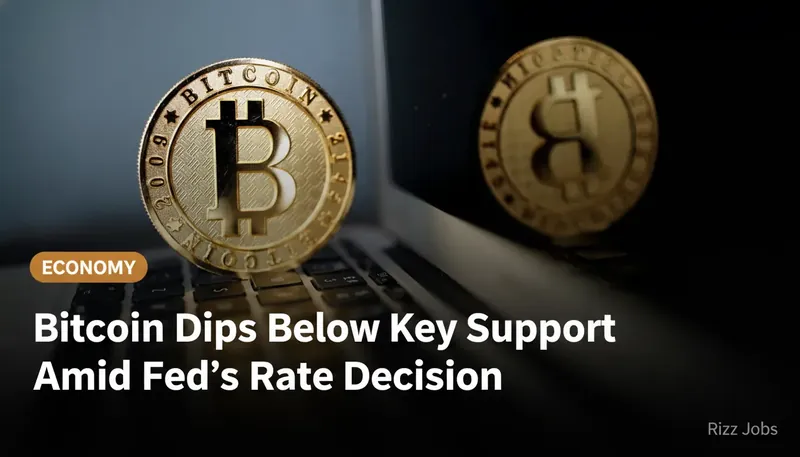
In a notable development for cryptocurrency markets, Bitcoin has experienced a decline, trading near $76,000, following the U.S. Federal Reserve's decision to maintain interest rates. This move comes as a surprise to some market participants who had anticipated a potential rate hike. The decision has led to increased volatility in the crypto market, with Bitcoin slipping below its 21-day moving average, a critical support level that traders often watch closely. Ethereum, another major cryptocurrency, has also faced downward pressure, reflecting a broader trend of caution among investors.
The Federal Reserve's decision to hold rates steady is seen as a response to ongoing economic uncertainties, including inflationary pressures and geopolitical tensions. For Indian investors, this development highlights the interconnectedness of global financial markets and the impact of U.S. monetary policy on cryptocurrency valuations. Despite the current dip, the underlying demand for cryptocurrencies remains strong, driven by institutional interest and the growing adoption of digital assets.
The broader cryptocurrency market has mirrored Bitcoin's decline, with several altcoins experiencing similar downward trends. This has led to a slight contraction in the overall market capitalization of digital currencies. However, analysts suggest that this could be a temporary correction rather than a prolonged downturn, as the market adjusts to the Fed's stance.
For Indian investors, the current scenario presents both challenges and opportunities. While the volatility may deter some, others may see this as a buying opportunity, particularly if they believe in the long-term potential of cryptocurrencies. It's crucial for investors to stay informed about global economic developments and their potential impact on digital assets.
As the market continues to evolve, the role of regulatory frameworks and institutional participation will be pivotal in shaping the future trajectory of cryptocurrencies. Indian investors should keep an eye on policy developments both domestically and internationally, as these could significantly influence market dynamics.