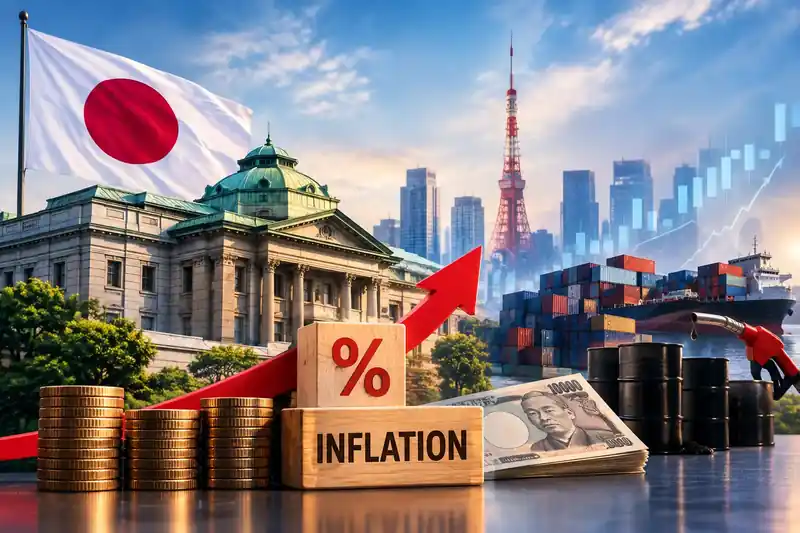
The Bank of Japan (BOJ) is increasingly concerned about persistent supply-side shocks that could elevate inflation beyond its 2% target. During a monetary policy conference in May, BOJ Executive Director Koji Nakamura highlighted the risks posed by external factors such as import costs and exchange rates, according to conference notes released on Monday.
Nakamura emphasized the nonlinear response of Japanese consumer prices to external shocks, which complicates the central bank's monetary policy decisions. The weak yen and rising fuel prices, exacerbated by geopolitical tensions, have intensified inflationary pressures, potentially keeping inflation above the BOJ's target longer than expected.
In response to these challenges, the BOJ raised its policy rate to 1% in June, marking the highest borrowing costs in over three decades. The central bank is anticipated to raise rates again this week as it evaluates ongoing inflation risks and the domestic economy's resilience.
“Nakamura emphasized the nonlinear response of Japanese consumer prices to external shocks.”
Koji Nakamura, BOJ Executive Director
The BOJ's concerns extend beyond traditional demand-driven inflation, with supply disruptions from events like the COVID-19 pandemic and geopolitical conflicts impacting prices. Nakamura questioned whether these shocks have become more systematic, influenced by factors such as income inequality and climate change.
The BOJ is also focusing on household and corporate behavior, combining economic data with insights from these sectors to better understand inflation expectations. This approach is crucial as Japan navigates a weaker yen, higher import costs, and tighter labor conditions.
Background
Japan's economy has been grappling with inflationary pressures exacerbated by global supply chain disruptions and geopolitical tensions. The BOJ's shift from its decade-long monetary stimulus program in 2024 marks a significant policy transition amid these challenges.
As the BOJ continues its gradual normalization of monetary policy, it remains to be seen how external shocks will influence domestic prices and wages. Policymakers face the challenge of balancing inflation risks with economic growth, making future rate hikes a key area to watch.