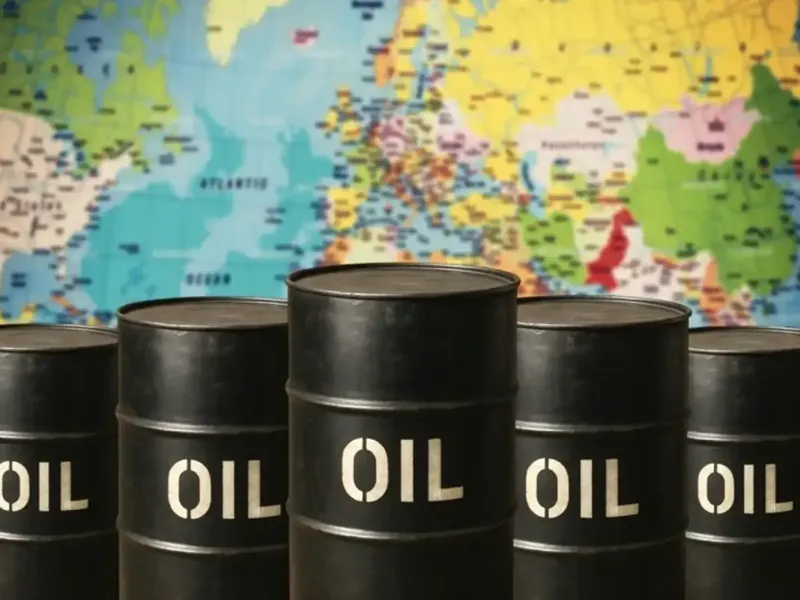
Brent crude futures rose by 50 cents, or 0.69%, to $73.45 a barrel on July 1, while U.S. West Texas Intermediate (WTI) increased by 63 cents, or 0.91%, to $70.13 a barrel. This comes as U.S. officials engage in indirect talks with Iran in Doha, Qatar, focusing on easing Middle East tensions.
Oil prices have seen a significant decline over the previous quarter, with Brent crude dropping by approximately $45 a barrel, marking its steepest quarterly fall since the 2008 global financial crisis. Similarly, U.S. crude futures fell by around $31, the largest quarterly decline since the onset of the Covid-19 pandemic in 2020. These declines were attributed to easing tensions in the Middle East, which had previously driven prices up.
A Reuters poll indicated that analysts have lowered their 2026 oil price forecasts for the first time since the Iran war began. This adjustment follows five consecutive months of increasing forecasts and is influenced by the reopening of the Strait of Hormuz, which has alleviated concerns over prolonged supply disruptions.
Tanker traffic through the Strait of Hormuz is showing signs of recovery, with U.S. Vice President JD Vance noting that oil flows have returned to pre-war levels. However, a full reopening of the strait is expected to take time due to the need for coordination of vessel movements, restarting oil wells, and repairing damaged infrastructure.
Saudi Aramco CEO Amin Nasser has warned that disruptions in the Strait of Hormuz could delay the return of stability to global oil markets until 2027. He highlighted that prolonged interruptions could affect nearly 100 million barrels of oil supply every week.
Background
The Middle East has been a focal point for global oil markets, with geopolitical tensions often influencing price volatility. The reopening of the Strait of Hormuz, a critical chokepoint for global oil shipments, is pivotal in stabilizing supply chains and alleviating market concerns.
The ongoing developments in the Middle East and the gradual reopening of the Strait of Hormuz will be critical factors to monitor in the coming months. Analysts and industry stakeholders will be watching closely to assess the impact on global oil supply and market stability.