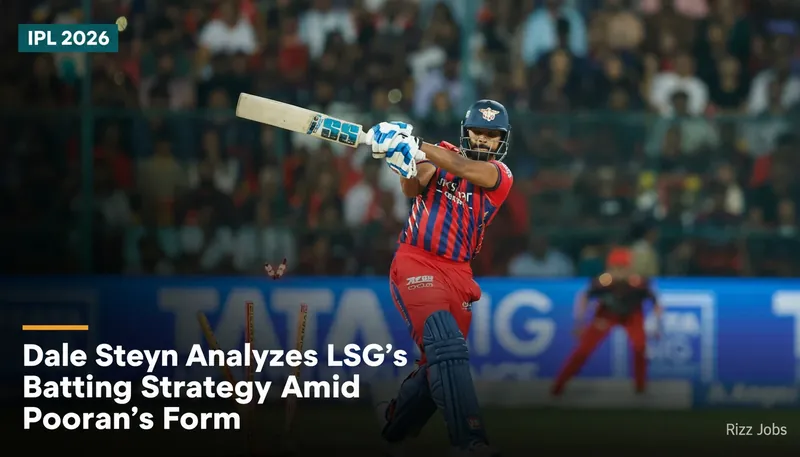
In the high-stakes environment of the Indian Premier League (IPL), team strategies often hinge on the form and performance of key players. The Lucknow Super Giants (LSG) find themselves in such a predicament as they grapple with the inconsistent form of their middle-order batsman, Nicholas Pooran. Renowned South African cricketer Dale Steyn has weighed in on the issue, highlighting how Pooran's struggles have led LSG to frequently adjust their batting order in an attempt to stabilize their innings.
Steyn, known for his incisive analysis, pointed out that the constant reshuffling of the batting lineup is not an ideal scenario for any team, especially in a tournament as competitive as the IPL. The need to 'shepherd' Pooran, as Steyn describes it, means that other proficient batters are being moved around, potentially disrupting their rhythm and the overall team dynamics. This strategy, while aimed at maximizing Pooran's potential, might inadvertently affect the performance of other players who thrive in specific positions.
For investors and stakeholders in the IPL, understanding such team dynamics is crucial. The performance of key players like Pooran can significantly impact a team's success, which in turn influences merchandise sales, brand value, and sponsorship deals. The IPL, being a lucrative business venture, sees teams investing heavily in players with the expectation of consistent performance. Pooran's form, therefore, is not just a sporting concern but a financial one as well.
As the tournament progresses, LSG's management will need to make strategic decisions about their batting order. Whether they continue to back Pooran in the hope of a turnaround or opt for a more stable lineup could be pivotal to their campaign. For cricket enthusiasts and business analysts alike, the unfolding of this situation offers a fascinating insight into the intersection of sports performance and business strategy.