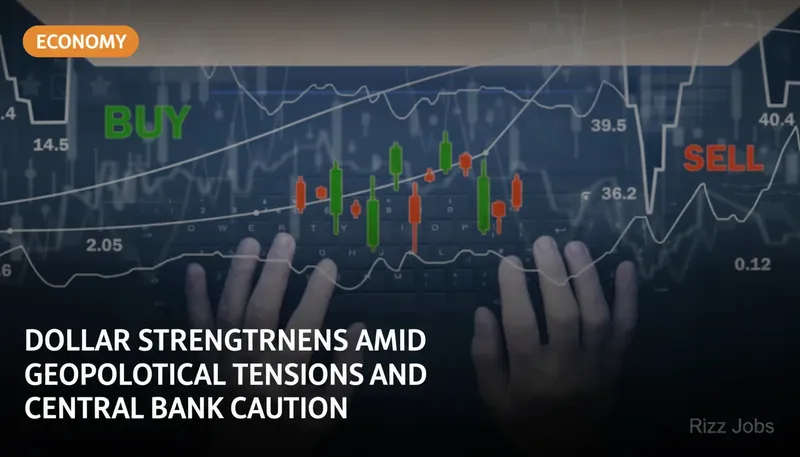
The US dollar has demonstrated a significant uptick in value as geopolitical tensions in Iran escalate, prompting a cautious stance from central banks worldwide. The ongoing conflict in Iran has introduced a layer of uncertainty in global markets, with investors seeking refuge in the relative safety of the dollar. This development comes at a time when central banks are already navigating a complex landscape of inflationary pressures and economic recovery post-pandemic.
For Indian investors, the strengthening dollar could have mixed implications. On one hand, a robust dollar might lead to increased costs for imports, including crude oil, which could exacerbate inflationary pressures domestically. On the other hand, Indian exporters, particularly in the IT and pharmaceutical sectors, could benefit from a more competitive position in international markets due to favorable exchange rates.
Central banks, including the Reserve Bank of India (RBI), are likely to adopt a wait-and-see approach, closely monitoring the situation before making any significant policy shifts. The RBI, which has been focused on maintaining economic stability and controlling inflation, may find itself in a challenging position if the dollar continues to strengthen, potentially impacting interest rate decisions and currency management strategies.
Market participants are advised to remain vigilant, as the evolving geopolitical landscape could lead to increased volatility in currency markets. Investors should consider hedging strategies to mitigate risks associated with currency fluctuations, while also keeping an eye on central bank communications for any signs of policy adjustments.