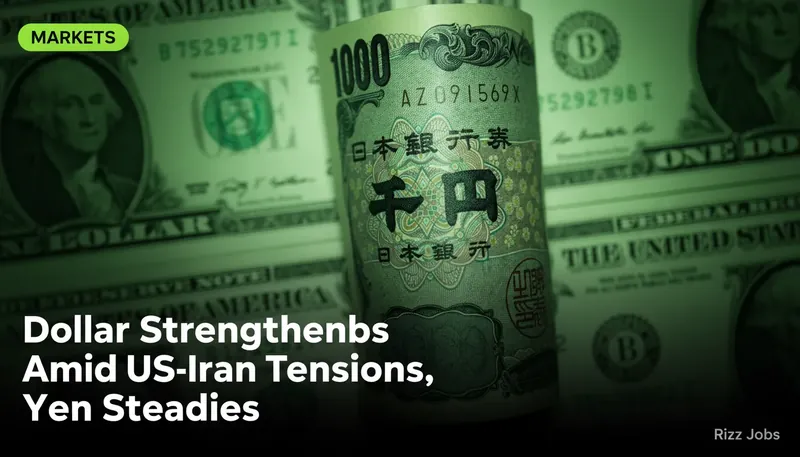
In a week marked by geopolitical tensions, the US dollar demonstrated resilience, gaining strength as hostilities between the United States and Iran intensified. This development has sent ripples through global markets, with investors seeking safe-haven assets amidst rising uncertainty. The dollar's rally is largely attributed to heightened risk aversion, a common market reaction to geopolitical instability. Concurrently, oil prices have surged, reflecting concerns over potential disruptions in supply due to the conflict.
The Japanese yen, a traditional safe-haven currency, remained stable despite the turmoil. This stability is partly due to Tokyo's proactive stance, with authorities issuing verbal warnings to counteract any sharp declines in the yen's value. The Japanese government’s intervention signals its commitment to maintaining currency stability, a crucial factor for its export-driven economy.
As the week progresses, investors are now turning their attention to the upcoming US non-farm payrolls report. This key economic indicator will provide insights into the health of the US labor market, offering clues on the Federal Reserve's future monetary policy decisions. The report's outcome could further influence currency markets, potentially impacting the dollar's trajectory.
In the UK, the sterling faced its first weekly loss since March, as investors await the results of local elections. The outcome could have significant implications for the UK's economic and political landscape, further influencing market sentiment.
For Indian investors, these developments underscore the importance of monitoring global geopolitical events and their potential impact on currency and commodity markets. A strong dollar could have implications for the Indian rupee, affecting import costs and inflation. Additionally, fluctuations in oil prices are particularly relevant for India, a major oil importer, as they can influence domestic fuel prices and broader economic conditions.