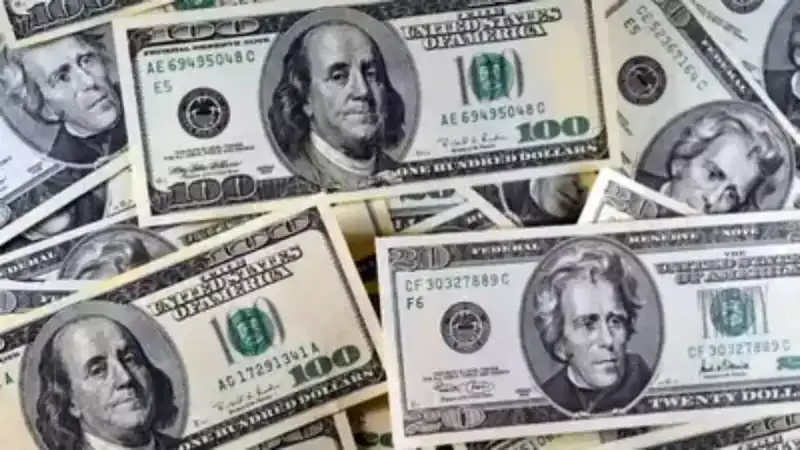
The Bloomberg Dollar Spot Index has risen by approximately 1% following the Federal Reserve's meeting on Wednesday, the first under Chairman Kevin Warsh. This development has fueled speculation that the central bank may begin tightening monetary policy to address the recent inflation surge.
The anticipation of a policy shift has led bond traders to drive short-term Treasury yields higher, prompting global investors to consider reallocating funds into US assets. Consequently, the euro has dropped to its lowest level since late March, the Canadian dollar has weakened to levels not seen since April 2025, and the yen has fallen to its lowest in nearly two years.
The Federal Reserve's signals have bolstered the dollar, pushing it towards levels last seen after the US-Iran conflict, which had previously elevated oil prices and reaffirmed the dollar's status as a safe haven in financial markets.
“The Fed's hawkish policy update is threatening to trigger a bullish break out for the US dollar, more than offsetting the dampening impact from the US-Iran deal.”
Lee Hardman, MUFG Bank
"The Fed's hawkish policy update is threatening to trigger a bullish break out for the US dollar, more than offsetting the dampening impact from the US-Iran deal," said Lee Hardman, a strategist at MUFG Bank.
The US-Iran peace agreement has shifted focus back to the strength of the US economy, which remains robust partly due to increased spending on artificial intelligence.
Background
The Federal Reserve's potential shift towards tightening monetary policy comes amid a backdrop of rising inflation and economic recovery efforts post-pandemic. Historically, such moves have significant implications for global financial markets, influencing currency valuations and investment flows.
As the dollar gains strength, market participants will be closely monitoring upcoming economic data and the Federal Reserve's next moves to gauge the future trajectory of US monetary policy.