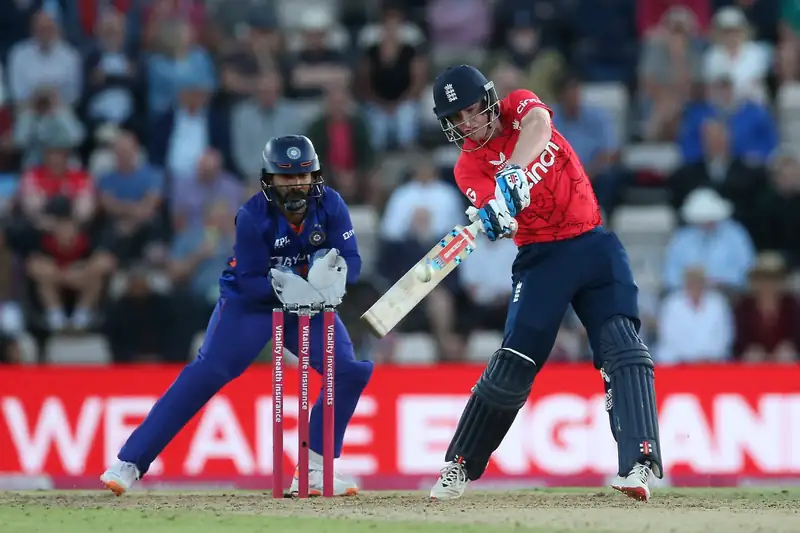
The England and Wales Cricket Board (ECB) has announced a change in the start times for the upcoming T20I matches against India, moving them to 5.30pm BST (10pm IST), an hour earlier than previously scheduled. This decision is aimed at maximizing television viewership across key markets.
The ECB's decision to reschedule the start times of the T20I matches is primarily driven by the desire to capture a larger television audience. By starting the matches at 5.30pm BST, the ECB aims to align the games with prime viewing hours in both the UK and India. This adjustment is expected to enhance the accessibility and appeal of the matches to cricket fans.
The change in timing comes as part of a broader strategy by cricket boards to optimize match schedules for television audiences. With the growing importance of broadcast revenues, aligning match timings with peak viewing periods has become a crucial consideration. The ECB's move reflects this trend, as it seeks to leverage the popularity of T20 cricket to attract more viewers.
The revised start times will apply to three floodlit T20I matches, ensuring that they commence under optimal lighting conditions. This adjustment not only benefits viewers but also enhances the playing conditions for the teams involved. The ECB's proactive approach in adjusting match timings underscores its commitment to delivering an engaging cricketing experience.
The decision to reschedule the matches is also indicative of the increasing influence of television broadcasters in shaping the cricket calendar. As cricket continues to expand its global reach, broadcasters play a pivotal role in determining match timings to maximize viewership and advertising revenues.
Background
The adjustment in match timings is part of a broader trend where cricket boards are increasingly considering the preferences of television audiences. With the significant revenue generated from broadcasting rights, aligning match schedules with prime viewing hours has become a strategic priority for cricket administrators.
Looking ahead, the ECB's decision to adjust match timings could set a precedent for future international fixtures. As cricket boards strive to balance the interests of players, broadcasters, and fans, further adjustments to match schedules may become commonplace to ensure the sport's continued growth and popularity.