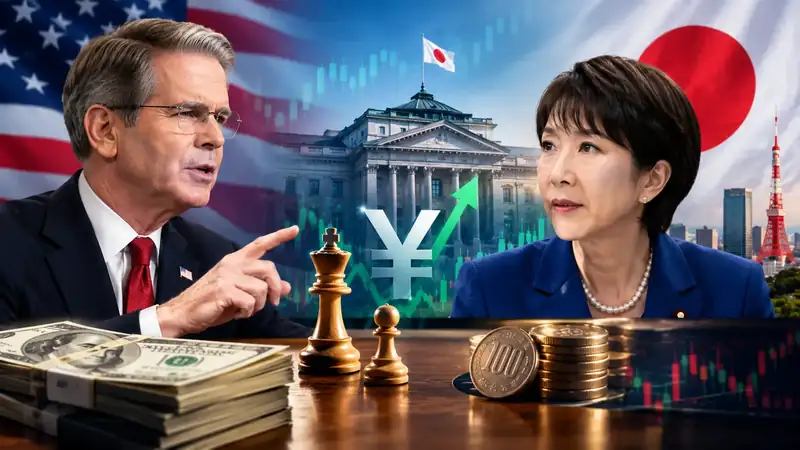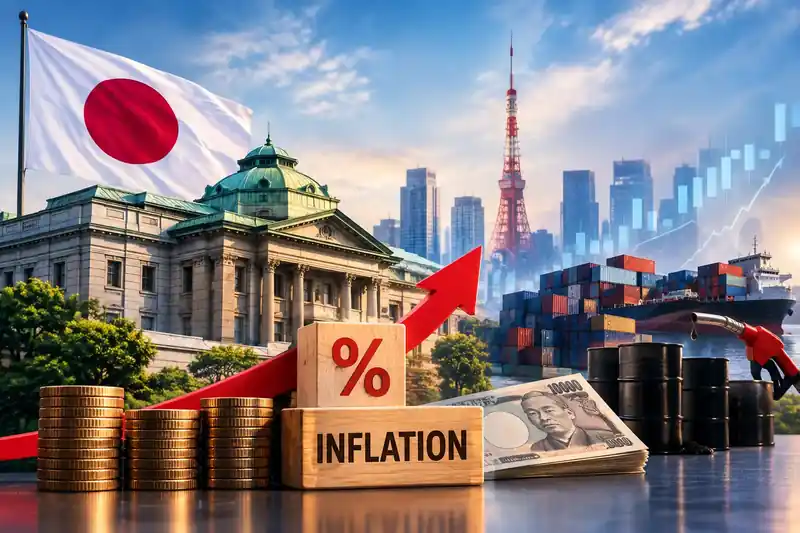
Emerging markets are grappling with a fresh wave of volatility as concerns over escalating tensions in the Middle East ripple through the global economy. The fear of rising inflation, driven by geopolitical instability, is prompting central banks worldwide to consider tightening monetary policies, which could lead to higher interest rates. This scenario is causing a significant flight to the US dollar, as investors seek safe havens amidst the uncertainty.
The impact on emerging-market assets has been swift and severe. Stocks, bonds, and currencies in these regions have faced downward pressure, reflecting investor anxiety about the potential for prolonged inflationary pressures. For Indian investors, this development comes at a critical juncture. The Reserve Bank of India (RBI) has been navigating a delicate balance between fostering economic growth and keeping inflation in check. A global trend towards higher interest rates could complicate this balancing act, potentially leading to tighter financial conditions domestically.
Moreover, the strengthening US dollar poses additional challenges. A strong dollar makes it more expensive for emerging markets to service their dollar-denominated debts, which could strain financial systems already under pressure from post-pandemic recovery efforts. Indian companies with significant foreign debt exposure may face increased borrowing costs, impacting their profitability and investment plans.
For businesses and investors in India, the current environment underscores the importance of strategic risk management. Diversifying portfolios, hedging currency risks, and closely monitoring global economic indicators will be crucial in navigating this period of uncertainty. As the situation unfolds, stakeholders will need to stay informed and agile, ready to adjust strategies in response to evolving market conditions.