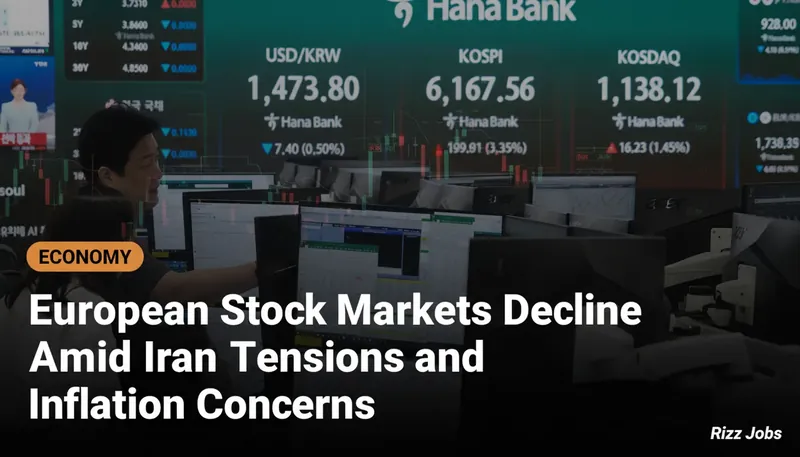
European stock markets experienced a significant downturn as geopolitical tensions between the United States and Iran reignited investor concerns over inflationary pressures. During his visit to China, U.S. President Donald Trump expressed diminishing patience with Iran, emphasizing the need to prevent Tehran from developing nuclear weapons. This stance, reportedly supported by Chinese President Xi Jinping, has raised fears of potential disruptions in the Strait of Hormuz, a critical chokepoint for global oil supplies. The prospect of restricted oil flow has led to heightened inflationary concerns, as energy prices could surge, impacting global supply chains and consumer prices.
For Indian investors, the situation presents a complex landscape. The potential for increased oil prices could exacerbate inflationary pressures in India, affecting everything from transportation costs to the price of goods. Moreover, the ripple effects on global markets could influence foreign investment flows into India, impacting the stability of the Indian rupee and the broader economy. It's essential for investors to monitor these developments closely, as shifts in global oil prices and inflation could necessitate adjustments in investment strategies.
The current geopolitical climate underscores the interconnectedness of global economies and the importance of strategic alliances. As the situation unfolds, market participants will be keenly watching for any diplomatic resolutions or escalations that could further impact economic stability. Indian businesses, particularly those reliant on international trade, should prepare for potential volatility and consider hedging strategies to mitigate risks associated with fluctuating energy prices.