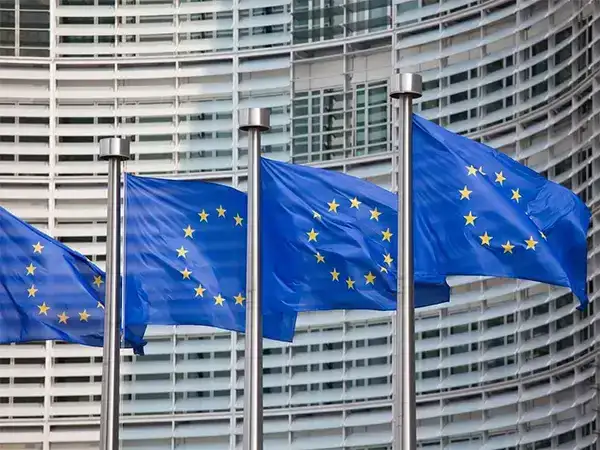
The finance ministers of Germany, France, Italy, Poland, Spain, and the Netherlands have agreed to transfer the supervision of significant market infrastructure to the European Securities and Markets Authority (ESMA) in Paris. This decision, made during a meeting in Berlin, is part of the European Union's strategy to redirect citizens' savings from bank deposits to more productive investments, enhancing the bloc's competitiveness against the United States and China.
The move towards centralized supervision has faced challenges due to national interests and opposition from countries like Ireland, Luxembourg, and initially Germany. However, the decision will be made by a qualified majority, requiring the support of 15 out of the EU's 27 countries, representing 65% of the population. With the backing of the E6, which represents 70% of the EU's population, the likelihood of centralizing supervision has increased significantly.
The European Commission presented its plan to integrate EU capital markets more effectively in December, with expectations for the package to be adopted by the end of the year. The ministers emphasized the need for ESMA's governance structure to be efficient, with a focus on expertise, supervisory experience, and geographical balance. They also stressed the importance of controlling costs and enforcing accountability.
“The fact that the EU's six largest economies are prepared to leave national self-interest behind and move forward together is an important signal for the entire European Union.”
Lars Klingbeil, German Finance Minister
Despite the push for centralized supervision, the paper noted that German trading venues would not currently be subject to mandatory European supervision. The initiative aims to enhance authorities' oversight of trading in crypto-assets and reduce barriers to cross-border funds, aiding company financing.
"The fact that the EU's six largest economies are prepared to leave national self-interest behind and move forward together is an important signal for the entire European Union," said German Finance Minister Lars Klingbeil in a statement.
Background
In recent years, the EU has been striving to create a more integrated capital market to boost economic growth and resilience. The move towards centralized supervision is seen as a critical step in achieving a more unified financial market, potentially leading to increased investment and economic stability across the region.
Looking ahead, the focus will be on the implementation of the proposed changes and the response from other EU member states. The success of this initiative could set a precedent for further integration in other areas of the EU's financial markets.