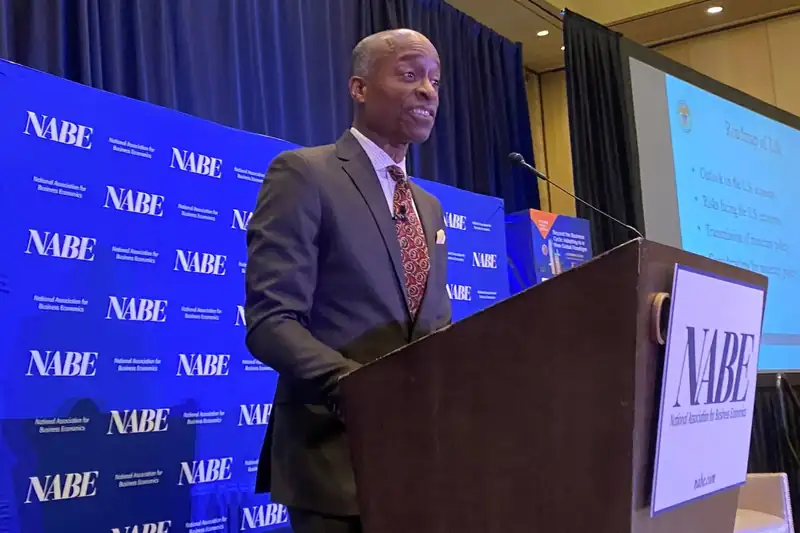
Federal Reserve official Jefferson indicated that interest rates might remain unchanged at the upcoming July 28-29 policy meeting, aiming to support the labor market and guide inflation back to the Fed's 2% target. However, he warned that persistent inflation could necessitate a policy reassessment.
Financial markets have largely dismissed the likelihood of a rate hike at the upcoming meeting, following recent data showing a decrease in U.S. consumer price inflation in June. Despite this, some Fed officials remain cautious about interpreting a single month of favorable data after a prolonged period of inflationary pressure.
The internal debate within the Federal Reserve is expected to intensify, especially after Dallas Fed President Lorie Logan suggested that higher interest rates might already be necessary. Jefferson, however, refrained from endorsing this view, describing the current policy as appropriately positioned.
“Policymakers may need to reassess the current policy stance to ensure price stability is achieved.”
Jefferson, Federal Reserve Official
Jefferson emphasized inflation risks over labor market concerns, reflecting confidence in employment conditions while highlighting worries about potentially persistent inflation. He noted that the conflict in the Middle East and rising fuel prices might have limited economic impact but could exacerbate inflationary pressures.
He also pointed out the potential for repeated economic shocks to entrench inflation and unanchor long-term inflation expectations, stressing the importance of monitoring whether higher energy prices contribute to sustained inflation.
Background
The Federal Reserve has been navigating a challenging economic environment characterized by fluctuating inflation rates and global economic uncertainties. The central bank's decisions on interest rates are closely watched as they impact economic growth, employment, and price stability.
As the Federal Reserve approaches its policy meeting, the focus will remain on inflation trends and economic indicators. Policymakers will need to balance supporting economic growth with ensuring price stability, keeping a close watch on both domestic and global developments.