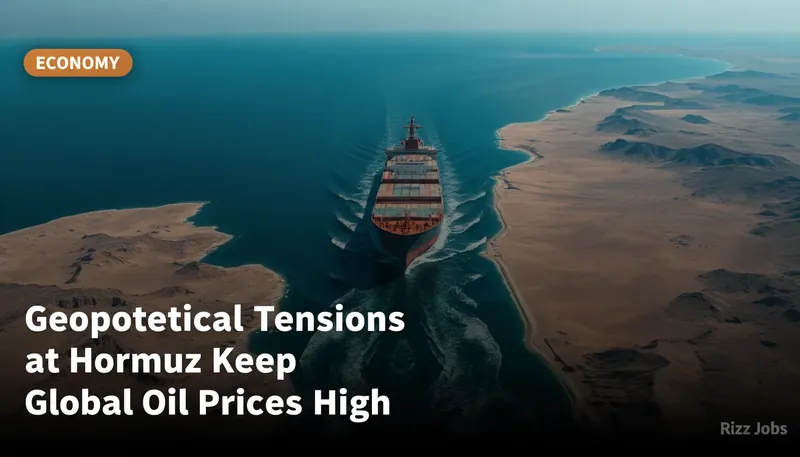
The Strait of Hormuz, a critical artery for global oil transportation, is currently witnessing severe disruptions due to escalating geopolitical tensions in West Asia. The blockade and naval confrontations have restricted nearly 20% of the world's oil flow, leading to a surge in Brent crude prices, now hovering around $125 per barrel. This situation has exacerbated supply fears and increased shipping costs, further straining the global oil market.
Ceasefire negotiations are underway, but the fragility of these talks means that a resolution remains uncertain. The geopolitical landscape is further complicated by the fragmentation within OPEC, highlighted by the UAE's recent exit from the group. This internal discord within one of the world's most influential oil cartels adds another layer of unpredictability to the already volatile market.
Major oil-importing nations, including India and China, are actively seeking to diversify their supply sources to mitigate the impact of these disruptions. However, the persistent high oil prices are contributing to global inflationary pressures, raising concerns about potential recessions and economic instability worldwide. For India, a country heavily reliant on oil imports, the situation poses significant challenges, potentially impacting everything from consumer prices to fiscal deficits.
The outlook remains uncertain, with oil prices likely to remain elevated unless a lasting geopolitical resolution is achieved. Indian investors and businesses should brace for continued volatility in the oil markets, which could have broader economic implications, including increased inflation and pressure on the Indian Rupee.