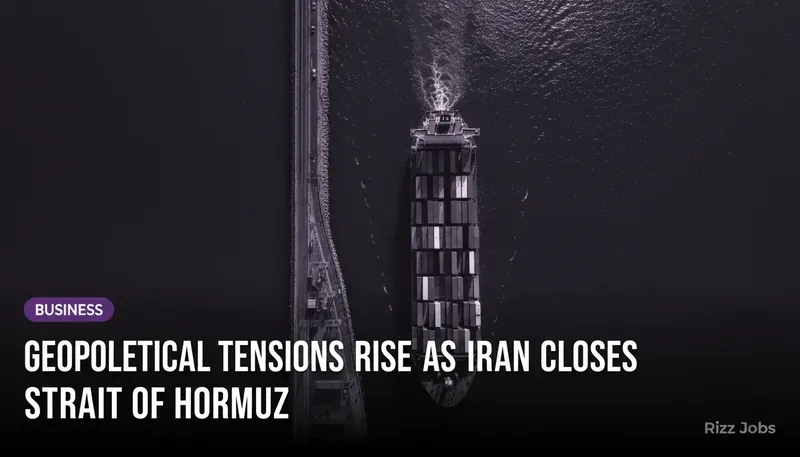
In a dramatic escalation of geopolitical tensions, the Middle East finds itself on the brink of a wider conflict as Iran has closed the Strait of Hormuz following Israel's military strikes on Lebanon. This strategic waterway, through which a significant portion of the world's oil supply passes, is now a focal point of global concern. The closure could have far-reaching implications for global oil markets, potentially driving up prices and impacting economies worldwide, including India, which relies heavily on oil imports.
The recent developments come amid a fragile ceasefire between Israel and its adversaries in the region, which now appears threatened. The Israeli strikes were reportedly in response to provocations from Hezbollah, a militant group based in Lebanon, which is backed by Iran. This military action has drawn sharp criticism from Tehran, leading to its decision to block the Strait of Hormuz.
For Indian investors and businesses, the closure of the Strait is a critical development. India, being one of the largest importers of oil, could face increased costs, which may translate into higher inflation and impact the trade deficit. Indian companies with significant exposure to the Middle East, particularly in the energy and infrastructure sectors, will need to closely monitor the situation.
Furthermore, the geopolitical instability could lead to volatility in the Indian stock markets, particularly affecting sectors like oil & gas, shipping, and aviation. Investors may need to reassess their portfolios in light of potential disruptions in oil supply and increased global risk.
As the situation unfolds, the international community is urging restraint and diplomatic engagement to prevent a full-blown conflict. The coming days will be crucial in determining whether cooler heads prevail or if the region descends into further chaos.


