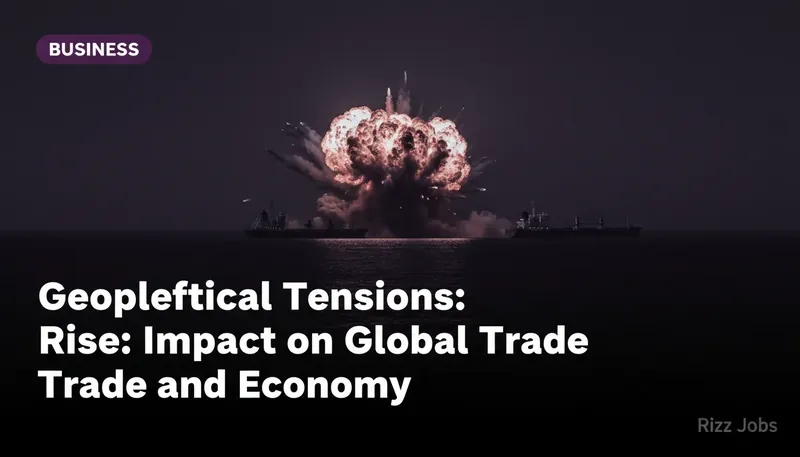
In a significant escalation of geopolitical tensions, explosions were reported near Bandar Abbas following an Iranian attack on warships in the Strait of Hormuz. This development marks a critical juncture in the ongoing conflict involving the US, Israel, and Iran, raising concerns over the stability of one of the world's most vital maritime trade routes. The Strait of Hormuz is a strategic chokepoint through which approximately 20% of global oil passes, making any disruption here a matter of international economic concern. For Indian businesses and investors, the potential blockade or conflict in this region could lead to increased oil prices, impacting sectors ranging from transportation to manufacturing. Indian companies heavily reliant on oil imports may face higher operational costs, which could trickle down to consumers, affecting everything from fuel prices to the cost of goods. Moreover, the uncertainty could lead to volatility in global markets, influencing investor sentiment and causing fluctuations in the Indian stock market. While the immediate impact may be on oil prices, the broader implications could affect India's trade balance and inflation rates, necessitating vigilant monitoring by policymakers and businesses alike. As the situation unfolds, Indian investors should brace for potential market volatility and consider strategies to mitigate risks associated with geopolitical instability.
business
Geopolitical Tensions Rise: Impact on Global Trade and Economy
Rizz Jobs News Desk··2 min read
Market Briefing
- Explosions near Bandar Abbas following an Iranian attack on warships heighten tensions in the Strait of Hormuz, a key oil transit route.
- This could impact global oil prices and cause market volatility, affecting Indian businesses and investors.
Share this story
Topics
Strait of HormuzIran conflictoil pricesglobal tradeIndian economy
Stay Informed
India's financial news, delivered daily.
Finance, markets, economy and startup updates — straight to your inbox.
Subscribe Free →

