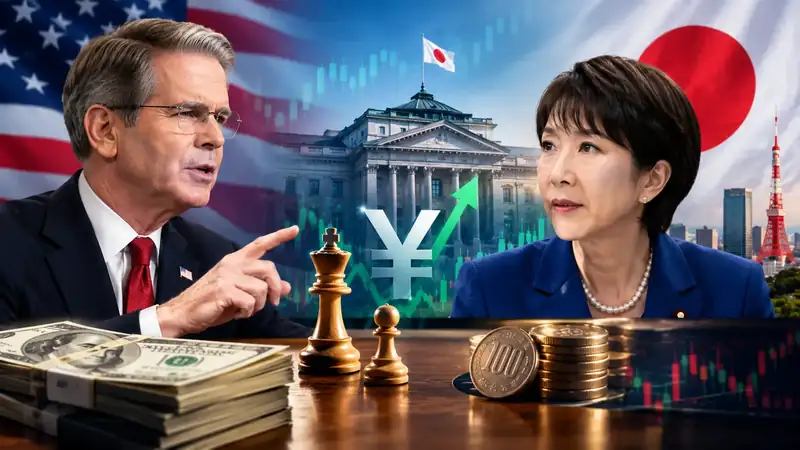
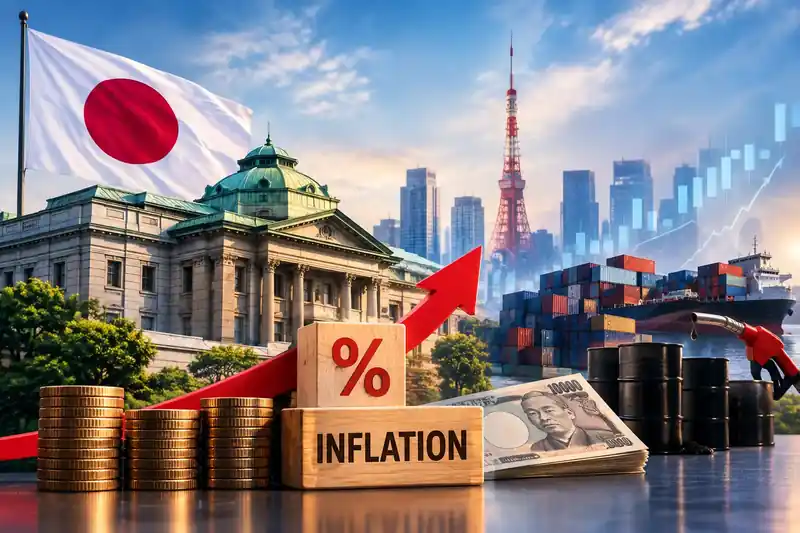
In a significant shift from previous years, global central banks are now prioritizing geopolitical tensions over inflation as the primary risk to the financial system. This change in focus underscores the evolving landscape of global economic challenges, as central banks grapple with the complexities of a fragmented world order. While inflation and interest rates remain critical long-term issues, the increasing geopolitical risks are prompting a reevaluation of the dollar's safe-haven status. This development is particularly relevant for Indian investors and businesses, as it may influence currency markets and investment strategies. The growing interest in gold as a hedge against geopolitical instability reflects a broader trend of diversifying away from traditional safe assets. For Indian investors, this could mean exploring alternative investment avenues and reassessing portfolio allocations to mitigate risks associated with global uncertainties. As central banks navigate these turbulent waters, their policy decisions will have far-reaching implications for global trade, economic stability, and market dynamics. Indian businesses must stay attuned to these shifts, as they could impact everything from import-export strategies to foreign investment flows. In this new era of heightened geopolitical risk, adaptability and strategic foresight will be key for navigating the complex global financial landscape.
economy
Geopolitical Tensions Surpass Inflation as Central Bank Concern
Rizz Jobs News Desk··1 min read
Market Briefing
- Global central banks now prioritize geopolitical tensions over inflation as the main financial risk.
- This shift may impact currency markets and investment strategies.
Share this story
Topics
geopolitical riskscentral banksinflation concernscurrency marketsinvestment strategies
Stay Informed
India's financial news, delivered daily.
Finance, markets, economy and startup updates — straight to your inbox.
Subscribe Free →