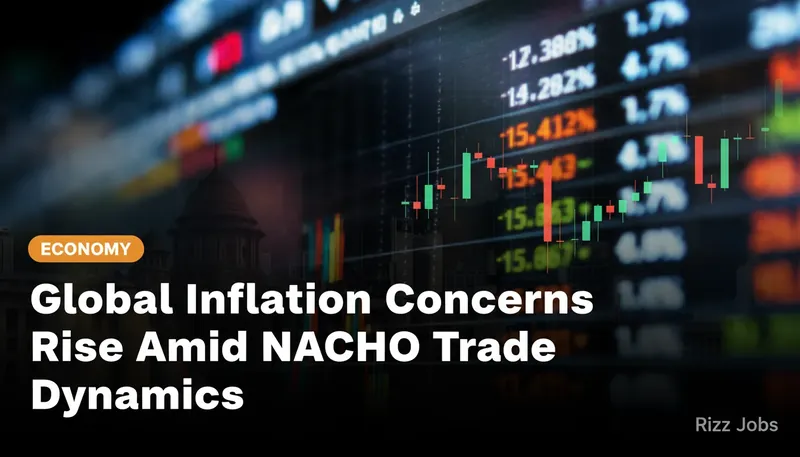
The recent Xi-Trump summit, while anticipated by many, concluded with little substantive outcome, leaving global investors to grapple with a new market reality. The term 'NACHO,' which stands for 'not a chance Hormuz opens,' has gained traction, reflecting the ongoing geopolitical tensions and their impact on global trade routes. This development has heightened the prospects of prolonged inflation, a concern that is reverberating through financial markets worldwide.
With the NACHO trade in focus, global bond yields have surged, and the US dollar has strengthened, indicating a shift in investor sentiment towards risk aversion. This scenario poses significant implications for Indian investors, particularly those with exposure to international markets. The rising bond yields suggest that borrowing costs may increase, potentially affecting corporate earnings and consumer spending.
For memory chipmakers, however, the rally seems far from over. Despite the geopolitical uncertainties, demand for memory chips remains robust, driven by technological advancements and the increasing digitization of industries. Indian tech firms, which rely heavily on imported semiconductor components, must navigate these price fluctuations carefully to maintain their competitive edge.
Indian investors should closely monitor these developments, as the interplay between global inflationary pressures and domestic economic conditions could influence market dynamics. The Reserve Bank of India may need to adjust its monetary policy stance to mitigate any adverse effects on the Indian economy, ensuring that inflation remains within manageable levels.
In conclusion, while the NACHO trade underscores the complexities of the current global economic landscape, it also presents opportunities for astute investors who can adapt to the evolving market conditions. Staying informed and agile will be key to navigating this challenging yet potentially rewarding environment.