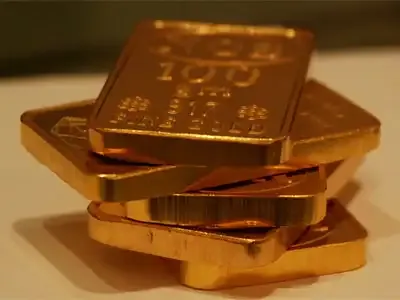
Spot gold prices fell by 1.5% to $3,957.74 per ounce early Tuesday, marking a potential monthly decline of 12.7%. The drop comes as the U.S. dollar strengthens, making gold more expensive for international buyers.
The strengthening U.S. dollar is a key factor influencing gold prices, as it increases the cost of bullion for holders of other currencies. Additionally, traders are anticipating three Federal Reserve interest rate hikes this year, with a 63% probability of a rate increase in September, according to the CME FedWatch Tool.
In geopolitical developments, Iranian and U.S. teams were expected to meet in Doha this week, but Iran announced no meeting was scheduled following recent missile exchanges that tested the interim ceasefire in their ongoing conflict.
The U.S. Supreme Court has upheld the independence of the Federal Reserve by refusing to allow former President Donald Trump to dismiss Federal Reserve Governor Lisa Cook, reinforcing the central bank's autonomy.
In the broader commodities market, spot silver fell by 2.4% to $56.89 per ounce, platinum decreased by 1.1% to $1,557.08, and palladium slid 0.5% to $1,207, all heading towards monthly losses.
Investors are closely monitoring upcoming U.S. employment data, including the June ADP employment and nonfarm payroll figures, to assess the Federal Reserve's stance on future rate hikes. Meanwhile, Guinea's ambition to become a regional gold refining hub highlights a trend among West African nations to process bullion locally.
Background
Gold prices have been under pressure due to expectations of interest rate hikes by the Federal Reserve, which typically lead to a stronger dollar and higher opportunity costs for holding non-yielding bullion.
Looking ahead, market participants will be watching for the release of key economic indicators, such as U.S. employment data, which could further influence the Federal Reserve's monetary policy decisions and impact gold prices.