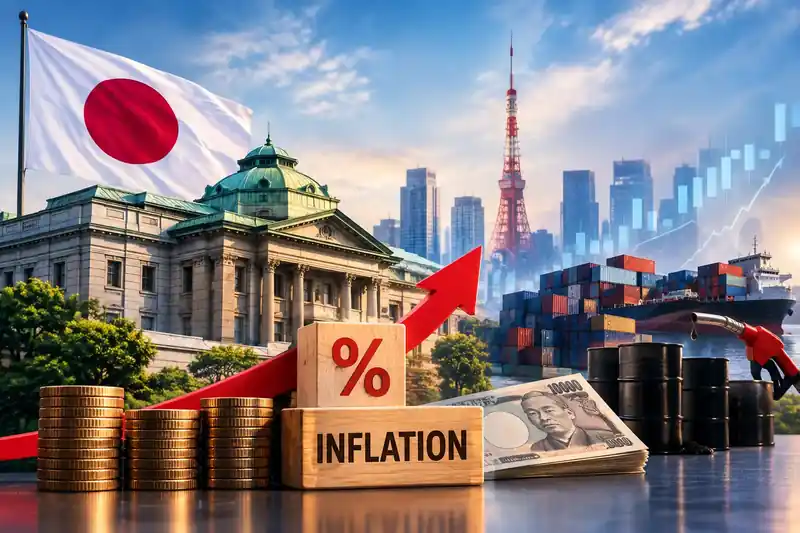
On Monday, gold prices experienced a significant decline, reaching a one-and-a-half-month low. This downturn is largely attributed to escalating tensions in the Middle East, which have driven oil prices upward, subsequently stoking inflation fears. The increase in oil prices is a double-edged sword for the global economy, particularly impacting energy-importing nations like India. Rising oil prices often translate into higher transportation and production costs, which can ripple through the economy and lead to increased inflationary pressures. This scenario has reinforced expectations that central banks, including the US Federal Reserve, may maintain higher interest rates for a prolonged period to combat inflation. Market participants are keenly awaiting the release of the US Federal Reserve's meeting minutes, which could provide further insights into the central bank's policy trajectory. In India, the government has taken a proactive step by curbing silver imports, a move aimed at alleviating pressure on the Indian rupee. The rupee has been under strain due to a combination of domestic and international factors, including the rising cost of oil imports. Other precious metals, such as silver and platinum, have also seen declines, reflecting a broader trend in the commodities market. For Indian investors, the current scenario presents both challenges and opportunities. While the dip in gold prices might deter some, it also offers a potential entry point for those looking to invest in the precious metal. However, investors should remain cautious and consider the broader economic implications, including the potential for sustained high interest rates and their impact on various asset classes.
economy
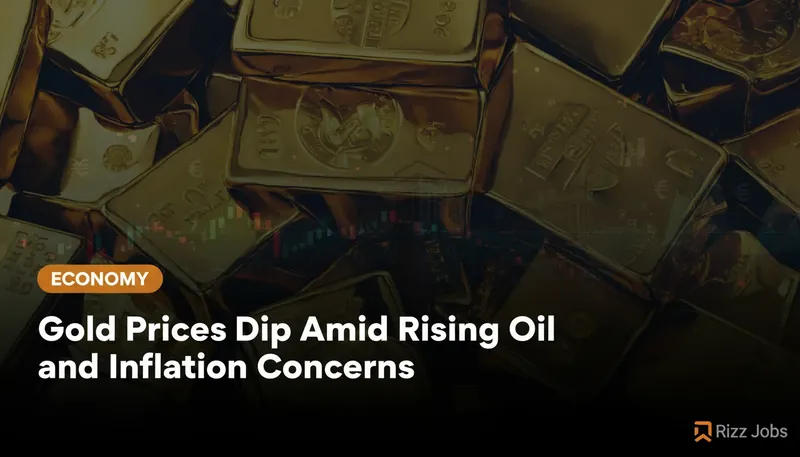
Gold Prices Dip Amid Rising Oil and Inflation Concerns
Rizz Jobs News Desk··2 min read
Market Briefing
- Gold prices have dropped to a one-and-a-half-month low amid rising oil prices and inflation concerns.
- Investors are watching for US Federal Reserve signals.
Share this story
Topics
gold pricesoil price riseinflation concernsUS Federal ReserveIndian rupee
Stay Informed
India's financial news, delivered daily.
Finance, markets, economy and startup updates — straight to your inbox.
Subscribe Free →