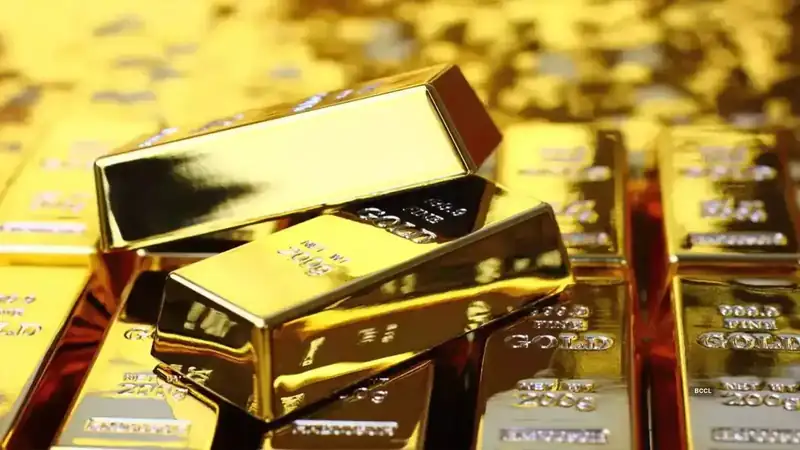
Spot gold prices fell by 0.8% to $4,419.60 per ounce as of 0129 GMT, influenced by escalating tensions between the U.S. and Iran and a strengthening dollar. U.S. gold futures for June delivery also declined by 0.7% to $4,417.10, as investors weighed geopolitical risks and potential shifts in U.S. monetary policy.
The dollar's rise has made gold more expensive for holders of other currencies, contributing to the decline in gold prices. Meanwhile, the U.S. military conducted new strikes in Iran, targeting a military site perceived as a threat to U.S. forces and commercial shipping in the Strait of Hormuz. This development follows President Donald Trump's dismissal of an Iranian report regarding a deal to restore traffic through the strategic waterway.
Oil prices increased by approximately 2% in early Asian trade on Thursday, reflecting persistent tensions between the U.S. and Iran. Federal Reserve Governor Lisa Cook expressed her view that the U.S. central bank should maintain current short-term interest rates, although she remains open to rate hikes if inflationary pressures persist due to tariffs, the Iran conflict, and increased AI-related investments.
Investors are closely monitoring the upcoming release of U.S. Personal Consumption Expenditures data for insights into the Federal Reserve's monetary policy direction. Additionally, the Hong Kong Futures Exchange announced plans to introduce a market-wide trading fee discount and incentive programs for gold futures to enhance liquidity.
Spot silver saw a decline of 1.7% to $73.34 per ounce, while platinum and palladium prices fell by 0.5% and 0.7%, respectively.
Background
The ongoing geopolitical tensions between the U.S. and Iran have historically impacted global commodity markets, influencing investor sentiment and market volatility. The Federal Reserve's monetary policy decisions are closely watched as they affect interest rates and inflation, which in turn impact commodity prices.
As geopolitical tensions continue to influence market dynamics, investors should keep an eye on further developments in U.S.-Iran relations and upcoming economic data releases that could impact interest rate decisions.