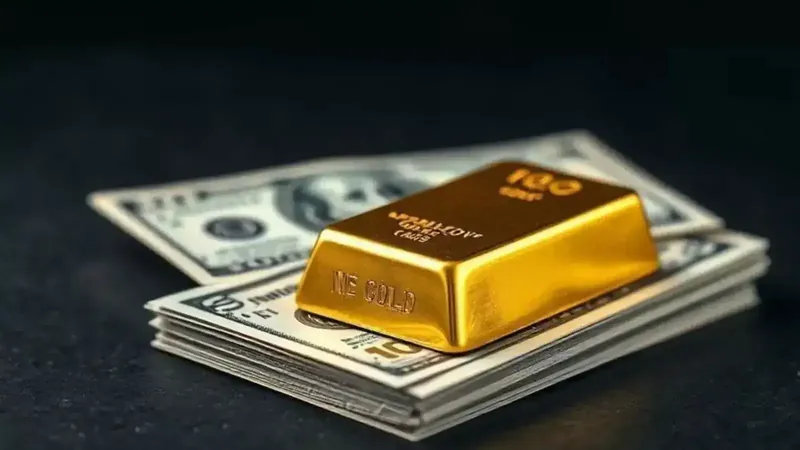
Gold prices edged lower on Monday as the dollar strengthened, making the precious metal more expensive for holders of other currencies. Spot gold fell 0.2% to $4,527.36 per ounce as of 0156 GMT, after reaching a two-week high in the previous session.
The dollar's rise coincided with an increase in oil prices, which surged over 2% in early trading, raising concerns about inflation. These developments come as U.S. President Donald Trump announced he would soon decide on a proposed deal to extend the ceasefire with Iran, although significant issues remain unresolved between the two nations.
In the Middle East, Israeli Prime Minister Benjamin Netanyahu ordered troops to advance further into Lebanon against Hezbollah, despite a ceasefire announced over six weeks ago. Meanwhile, Federal Reserve officials have expressed concerns about the potential economic impact of the Middle East conflict. Vice Chair for Supervision Michelle Bowman noted that the war's impact could lead to persistent inflation, possibly necessitating tighter monetary policy.
Gold demand in India remained subdued last week due to higher prices and import duties, while premiums in China narrowed amid cautious sentiment. Speculators increased their net long positions in gold by 2,544 contracts to 96,931 in the week ending May 26.
Spot silver rose 0.4% to $75.54 per ounce, platinum gained 1% to $1,935.65, and palladium increased by 1.3% to $1,371.24.
Background
The ongoing geopolitical tensions and economic uncertainties are likely to keep investors on edge, with gold prices remaining sensitive to currency fluctuations and inflationary pressures.
Market participants will be closely watching developments in the Middle East and any policy signals from the Federal Reserve.