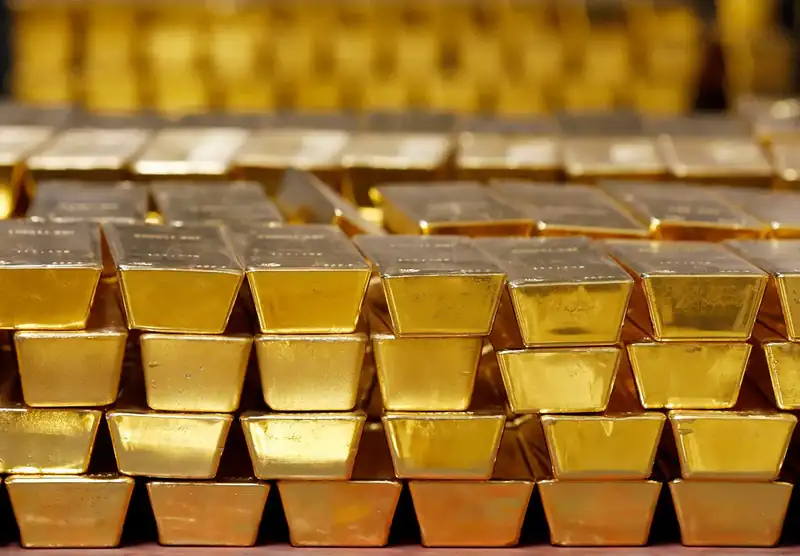
Gold prices surged by 1.8% to $4,297.42 per ounce, reaching their highest level since June 9, following the announcement of a peace framework between the United States and Iran. The agreement, which aims to end the ongoing conflict and reopen the Strait of Hormuz, was confirmed by officials on Sunday and is set to be officially signed on Friday in Switzerland, according to Pakistani Prime Minister Shehbaz Sharif.
U.S. gold futures for August delivery also saw a significant rise, climbing 1.9% to $4,318.10. The announcement of the peace deal led to a more than 4% drop in oil prices and a decline in the U.S. dollar to a 10-day low. The conflict, which began in late February, had previously put pressure on gold prices due to the effective closure of the Strait of Hormuz, causing a spike in global oil prices and inflation concerns.
Traditionally viewed as a hedge against inflation, gold's appeal diminishes in a high interest-rate environment, as the opportunity cost of holding the non-yielding asset increases. Despite this, the market's expectation of a U.S. interest rate hike in December has decreased to 64% from 69% last week, as per the CME FedWatch tool.
The peace framework marks a significant development in the geopolitical landscape, potentially easing tensions and stabilizing markets. The reopening of the Strait of Hormuz is expected to alleviate some of the pressure on global oil prices, which have been a major concern for investors.
Background
Gold prices have been under pressure since the start of the U.S.-Israeli war against Iran in late February. The effective closure of the Strait of Hormuz has led to a sharp increase in global oil prices, stoking inflation concerns and raising expectations of interest rates staying higher for longer.
With the official signing of the peace agreement on the horizon, market participants will be closely monitoring its impact on commodity prices and interest rate expectations. The potential for reduced geopolitical tensions could lead to a shift in market dynamics, influencing investment strategies in the coming months.