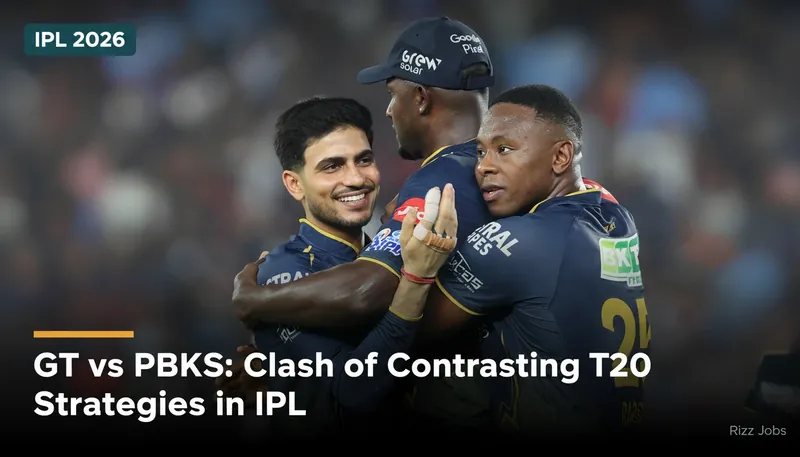
In the high-stakes world of the Indian Premier League (IPL), where cricket and commerce intersect, the upcoming match between Gujarat Titans (GT) and Punjab Kings (PBKS) is more than just a game; it's a showcase of contrasting team philosophies. GT, known for their top-heavy batting order complemented by a versatile bowling attack, are set to face PBKS, a team that prides itself on batting depth but grapples with bowling inconsistencies. This match is a microcosm of the strategic diversity that characterizes the IPL, offering insights into how different team compositions can impact performance and, by extension, market valuations.
GT's strategy revolves around leveraging their star-studded top order, which includes some of the most explosive batsmen in the league. This approach not only ensures a solid start but also sets a high benchmark for their opponents. Their well-rounded bowling line-up, featuring a mix of pace and spin, adds to their competitive edge, making them a formidable force. Investors and sponsors are likely to find GT's balanced approach appealing, as it reduces volatility and enhances predictability in performance.
On the other hand, PBKS's deep batting line-up is designed to weather early setbacks, allowing them to chase or set challenging targets. However, their bowling department remains a concern, often lacking the firepower to contain aggressive opponents. This imbalance could affect their standing in the league and, consequently, their market appeal. For stakeholders, the key takeaway is the importance of a balanced team composition in maintaining competitive advantage and financial stability.
As the IPL continues to evolve, the match between GT and PBKS serves as a reminder of the intricate relationship between team strategies and financial outcomes. For investors and business leaders, understanding these dynamics is crucial for making informed decisions in the sports and entertainment sectors.