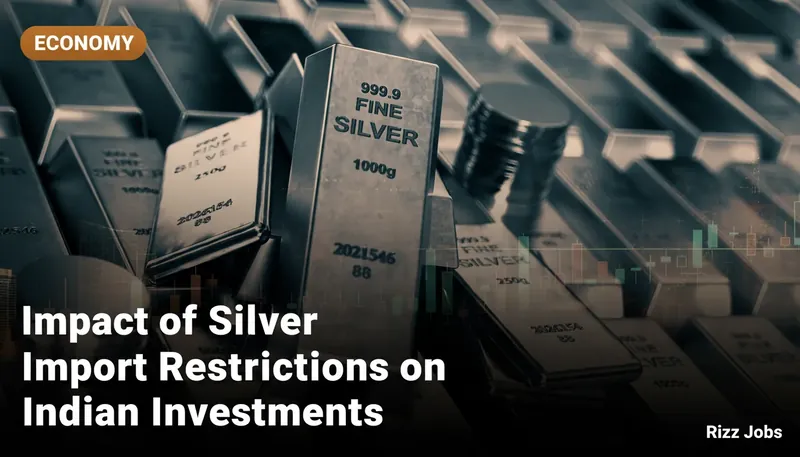
India's recent decision to impose restrictions on silver imports and increase import duties is set to significantly alter the landscape for silver investments in the country. This move is likely to elevate domestic silver prices by widening the premium over global benchmarks. While international silver prices may remain relatively stable, Indian investors could face higher costs when purchasing physical silver. The key metric to watch will be the spread between the Multi Commodity Exchange (MCX) and the London Bullion Market Association (LBMA) prices, as it will provide insights into the impact of these import restrictions.
The Indian government's strategy aims to curb the import bill and address the burgeoning trade deficit, but it also poses challenges for investors who rely on silver as a hedge against inflation and currency fluctuations. With the increased duties, the cost of importing silver will rise, potentially leading to a decrease in supply and an increase in demand for locally sourced silver. This scenario could push domestic prices higher, making silver an even more expensive investment for Indian consumers.
For investors, this development necessitates a reevaluation of their portfolios. Those with significant holdings in silver might need to consider diversifying their investments to mitigate potential risks. Additionally, the MCX-LBMA spread will be an essential tool for investors to gauge the domestic market's response to these policy changes. Analysts suggest that a widening spread could indicate increased domestic demand and a potential opportunity for traders.
In conclusion, the import restrictions on silver are a double-edged sword for Indian investors. While they may support the government's economic objectives, they also introduce new complexities into the investment landscape. Investors must stay informed and agile, leveraging market data and expert analysis to navigate these changes effectively.