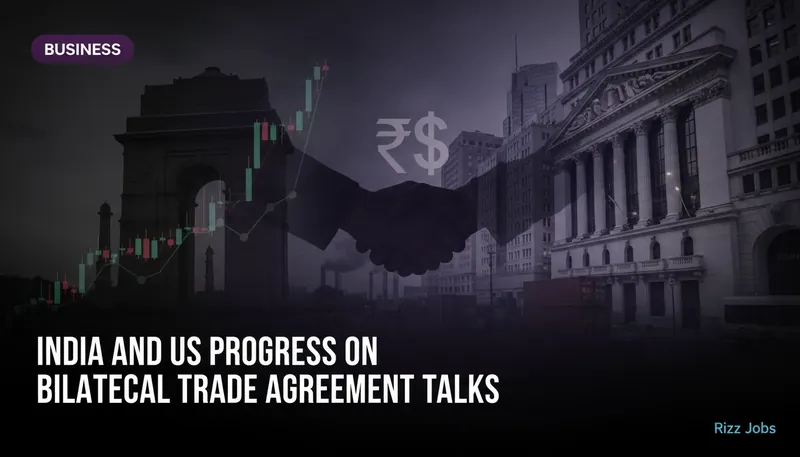
India and the United States have commenced detailed discussions on a bilateral trade agreement, aiming to bolster economic ties between the two nations. With a shared goal of elevating bilateral trade to $500 billion by 2030, India is keen on securing preferential access to US markets. This development comes at a time when both countries are looking to strengthen their economic collaboration amidst a shifting global trade landscape.
The proposed trade agreement is expected to cover a wide range of sectors, including technology, agriculture, and manufacturing. For India, gaining preferential access to the vast US market could significantly boost its export-driven sectors, potentially leading to increased employment and economic growth. Conversely, the US is likely to seek greater access to India's burgeoning consumer market, particularly in areas like agriculture and pharmaceuticals.
Analysts believe that this agreement could serve as a pivotal moment in Indo-US relations, offering a framework for future economic cooperation. However, challenges remain, including differing regulatory standards and intellectual property rights issues. Both nations will need to navigate these complexities to reach a mutually beneficial agreement.
For Indian businesses, this agreement could open new avenues for growth and investment, particularly in sectors like IT and textiles, which have traditionally been strong export performers. Investors are closely watching these negotiations, as the outcome could have significant implications for market dynamics and trade policies in the region.
As talks progress, stakeholders from various industries are expected to weigh in, highlighting the need for a balanced approach that addresses both nations' economic priorities. The successful conclusion of this agreement could set a precedent for future trade deals, reinforcing India's position as a key player in the global economy.


