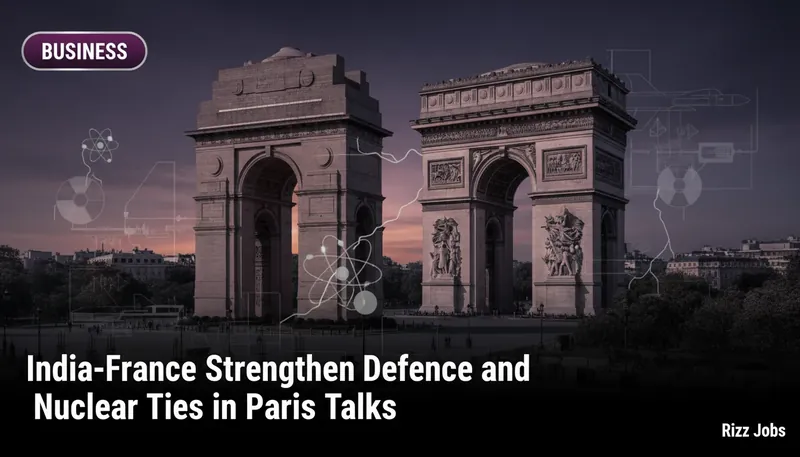
In a significant diplomatic engagement, India and France have undertaken a comprehensive review of their defence and nuclear cooperation during the India-France Central Administration Consultations held in France. The discussions were led by Indian Foreign Secretary Vikram Misri, reflecting the deepening strategic partnership between the two nations. This meeting comes at a crucial time as both countries are looking to bolster their defence capabilities amidst evolving global security dynamics.
India and France have long shared a robust defence relationship, underscored by key agreements such as the procurement of Rafale fighter jets, which have significantly enhanced India's air defence capabilities. The latest consultations are expected to further expand this collaboration, potentially exploring new avenues in defence technology and joint military exercises. Such initiatives not only enhance mutual defence preparedness but also contribute to regional stability, a crucial factor given the current geopolitical tensions in the Indo-Pacific region.
On the nuclear front, the discussions likely touched upon civilian nuclear energy cooperation, an area where France has been a pivotal partner for India. France's expertise in nuclear technology could play a vital role in India's energy diversification strategy, aiming to reduce reliance on fossil fuels and meet its climate commitments. The partnership in nuclear energy is expected to focus on technology transfer and joint research initiatives, fostering sustainable energy solutions.
For Indian investors and business leaders, these developments signal potential opportunities in the defence and energy sectors. Companies involved in defence manufacturing and nuclear technology could see increased demand and collaboration opportunities. Furthermore, the strengthening of bilateral ties may lead to more favourable trade agreements and investment opportunities, enhancing the economic landscape between the two countries.
As India and France continue to fortify their strategic partnership, stakeholders in both nations can anticipate a more integrated approach to addressing global challenges, from security threats to climate change. This collaboration not only underscores the importance of diplomatic engagement but also highlights the potential for economic growth through strategic alliances.


