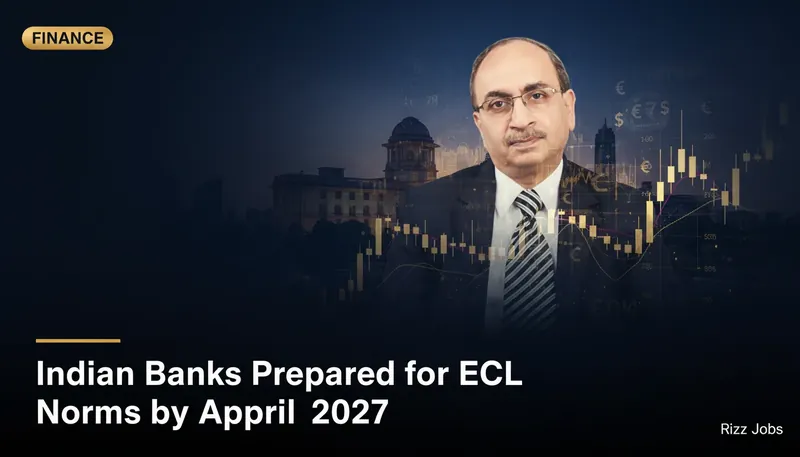
In a significant move towards fortifying the Indian banking sector, the introduction of Expected Credit Loss (ECL) norms is set to take effect from April 1, 2027. This regulatory shift aligns Indian banks with global standards, requiring them to provision for future loan losses rather than just historical ones. The transition to ECL norms is anticipated to enhance the resilience of banks against economic uncertainties, ensuring they are better equipped to handle potential financial disruptions. Dinesh Kumar Khara, a prominent figure in the banking industry, has expressed confidence in the readiness of Indian banks to adapt to these changes.
The ECL approach represents a proactive stance in risk management, compelling banks to assess and prepare for potential credit risks in advance. This is a departure from the traditional incurred loss model, which only accounted for losses that had already occurred. By forecasting potential losses, banks can maintain healthier balance sheets and improve their ability to withstand economic downturns.
Experts in the financial sector have noted that the impact of this transition is likely to be manageable. Indian banks have been gradually aligning their practices with international standards, and many have already started implementing measures to meet the upcoming requirements. This proactive preparation is expected to mitigate any immediate financial strain and provide a smoother transition to the new norms.
The adoption of ECL norms is also seen as a step towards greater transparency and accountability in the banking sector. It will require banks to maintain a more comprehensive understanding of their credit portfolios and enhance their risk assessment capabilities. This, in turn, could lead to more informed lending decisions and a reduction in the incidence of non-performing assets.
For investors and stakeholders, the shift to ECL norms signals a more robust and stable banking environment. It underscores the commitment of Indian banks to adhere to global best practices and enhance their operational resilience. As the April 2027 deadline approaches, the focus will be on how effectively banks can integrate these changes into their existing frameworks and the subsequent impact on their financial performance.