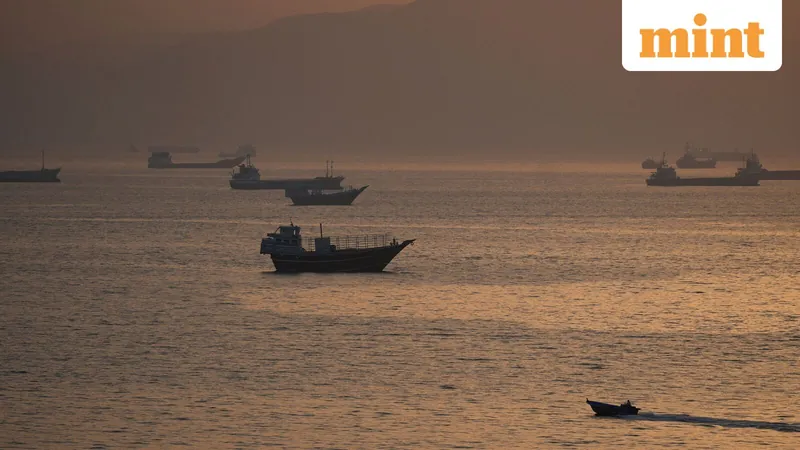
The U.S. and Iran are reportedly working towards a resolution to reopen the Strait of Hormuz, a critical passage for global energy supplies. The closure has lasted three months, causing significant disruptions and price spikes in energy, fertilizer, and helium markets, which have strained global economic growth.
The reopening of the Strait of Hormuz is expected to take months to normalize energy and commodity flows, keeping prices elevated in the interim. However, markets are forward-looking, and analysts suggest that exchange-traded funds (ETFs) and stocks could benefit from a resolution. Southeast Asian countries, heavily reliant on oil imports, have been particularly affected. In the Philippines, the oil price surge has exacerbated existing fiscal and current account deficits. Thailand, with oil imports constituting about 7% of its GDP, has seen its oil supply halved, prompting government subsidies and currency depreciation.
The Global X FTSE Southeast Asian ETF offers exposure to these markets, with significant investments in Thailand, the Philippines, Malaysia, and Indonesia. India, another major economy impacted by the closure, has implemented austerity measures and subsidies to mitigate the effects, straining its fiscal health. A resolution could boost Indian stocks, with the iShares MSCI India ETF providing broad market exposure.
China has managed the situation better due to diversified energy sources and a robust strategic petroleum reserve. A resolution would further benefit China by reducing energy costs and mitigating risks of a global economic slowdown. Investors can consider the iShares MSCI China ETF or the iShares MSCI China A-shares ETF for exposure.
European equities could also gain from lower energy prices, easing inflationary pressures and reducing the need for interest rate hikes. The iShares Core MSCI Europe ETF and the Vanguard FTSE Europe ETF offer broad exposure to the region. U.S. consumer-focused companies might benefit as well, with reduced gas costs potentially aiding lower-income households. The Consumer Discretionary Select Sector SPDR Fund, which includes discount retailers, is one option.
Background
The Strait of Hormuz is a vital maritime passage for global energy supplies, and its closure has had widespread economic implications. Historically, geopolitical tensions in the region have led to disruptions, affecting oil prices and global markets.
The reopening of the Strait of Hormuz could significantly impact global markets, offering investment opportunities across various regions. Investors should watch for developments in U.S.-Iran negotiations and prepare for potential market shifts.