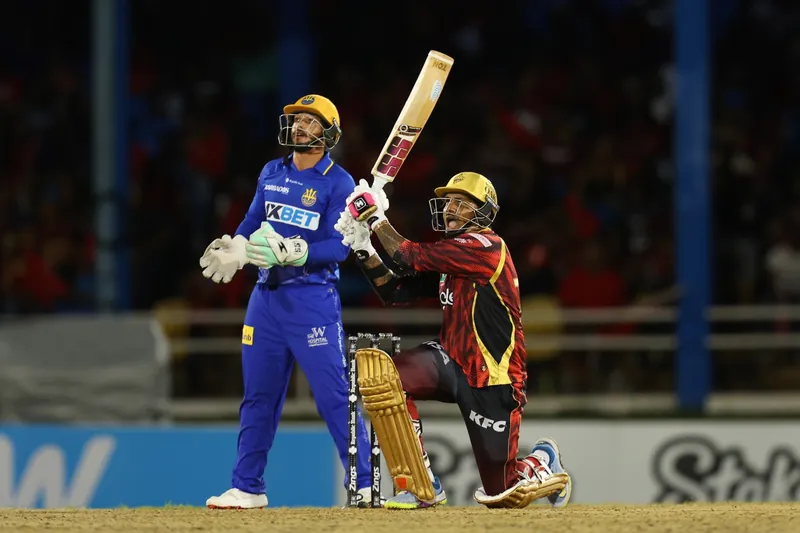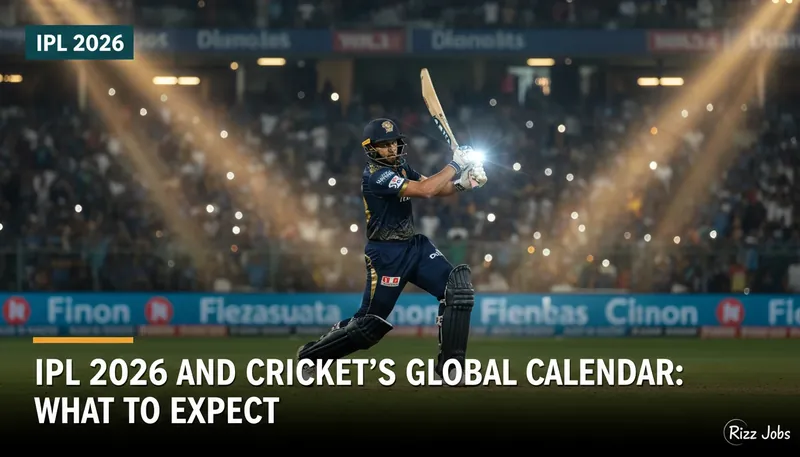
As the cricketing world gears up for 2026, enthusiasts and investors alike are keenly watching the developments around the Indian Premier League (IPL) and other international and domestic fixtures. The IPL, a cornerstone of cricket's commercial landscape, is set to captivate audiences with its high-octane matches and star-studded line-ups. The league's financial implications are significant, with broadcasting rights, sponsorship deals, and merchandise sales contributing substantially to the Indian economy. The 2026 season promises to be no different, potentially setting new benchmarks in viewership and revenue.
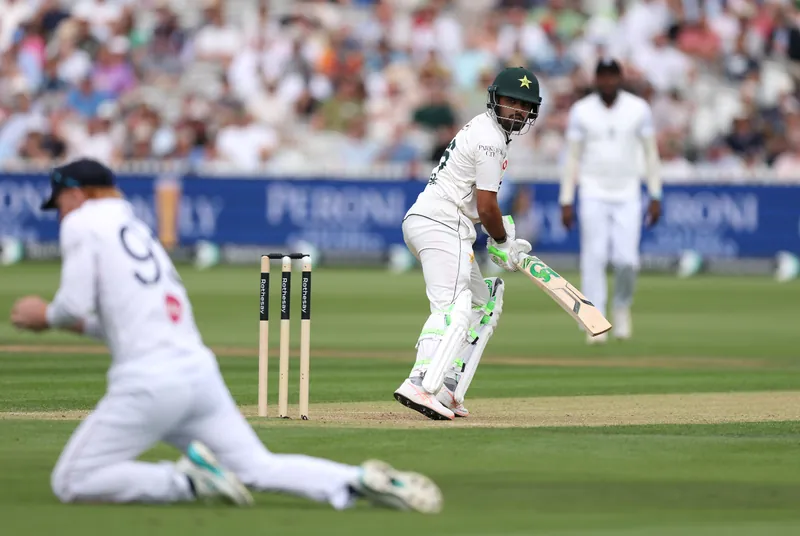
Beyond the IPL, the international cricket calendar is packed with bilateral series and tournaments that will see teams from around the globe compete for glory. These matches are not just sporting events but also economic drivers, impacting tourism, hospitality, and broadcasting sectors. For investors, the performance of companies associated with cricket, such as broadcasters and sports merchandise firms, could offer insights into market trends.
Domestically, the Ranji Trophy and other regional tournaments will continue to be breeding grounds for new talent, offering young players a platform to showcase their skills. These tournaments are pivotal in maintaining cricket's grassroots appeal in India, ensuring a steady pipeline of talent for the national team.
As cricket continues to evolve with innovations such as T20 leagues and technological advancements, stakeholders are presented with both challenges and opportunities. The integration of technology in broadcasting and fan engagement is expected to enhance the viewing experience, potentially opening new revenue streams.
In summary, the cricket schedule for 2026 is not just about the sport; it's a reflection of its economic and cultural significance. For investors and businesses, understanding these dynamics is crucial to leveraging the opportunities that cricket presents.