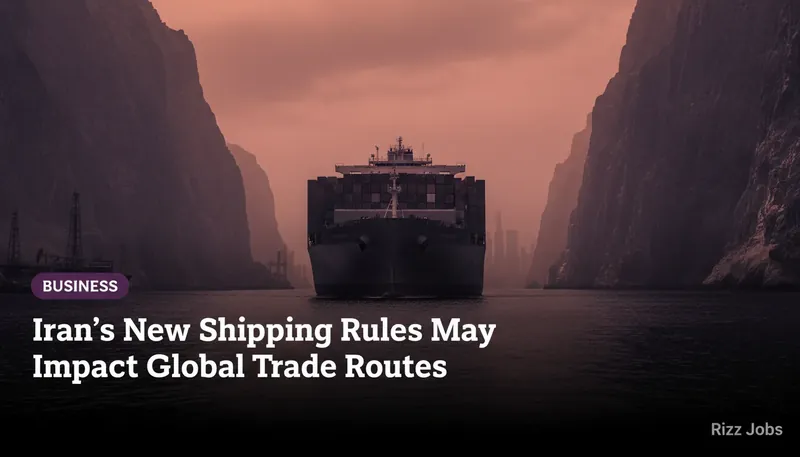
In a significant move that could reshape maritime logistics, Iran is set to introduce new shipping regulations in the strategic Strait of Hormuz, a vital waterway through which a substantial portion of the world's oil supply is transported. The Iranian government has announced plans to implement a new mechanism for shipping operations, which is expected to include fees for specialized maritime services. This development comes at a time when global supply chains are already under pressure from geopolitical tensions and economic uncertainties.
The Strait of Hormuz, a narrow passage connecting the Persian Gulf with the Arabian Sea, is a critical chokepoint in global energy routes. Any changes in shipping regulations or fees in this region could have far-reaching implications for international trade, particularly for countries heavily reliant on oil imports, such as India. Analysts suggest that the introduction of service fees could lead to increased shipping costs, potentially affecting the pricing of crude oil and other goods.
For Indian businesses and investors, this move by Iran could signal a need to reassess supply chain strategies and explore alternative routes or sources for energy imports. The Indian government may need to engage in diplomatic discussions with Iran to understand the full scope of these new regulations and their potential impact on trade relations.
Moreover, the anticipated unveiling of Iran's shipping mechanism could influence global oil prices, which have already been volatile due to ongoing geopolitical tensions and fluctuating demand. Indian investors should closely monitor these developments, as changes in oil prices can have a cascading effect on various sectors, including transportation, manufacturing, and consumer goods.
As Iran prepares to formally unveil its new shipping rules, stakeholders across the globe will be keenly observing the implications for trade dynamics and regional stability. The coming days are likely to bring more clarity on how these changes will be implemented and their potential impact on international shipping routes.


