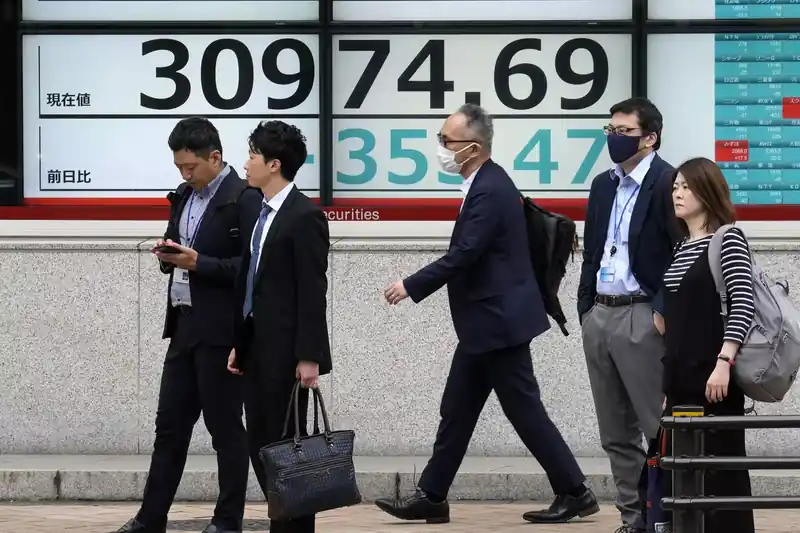
The Kospi index has surged approximately 80% this year, reaching a series of record highs, driven by robust earnings from memory-chip giants Samsung Electronics Co. and SK Hynix Inc. Despite this growth, the index is trading at just 6.4 times forward earnings, lower than levels seen during the 2008 global financial crisis, raising questions about whether this represents a buying opportunity or a market anticipating the end of the memory boom.
The recent sell-off, triggered by renewed doubts over the artificial-intelligence trade, has further compressed valuations. Analysts note that Korea's rally is unique, fueled more by unexpected corporate earnings than by investors paying higher multiples. Consensus estimates for Kospi companies have risen for 17 consecutive months, the longest streak in over nine years, driven by soaring memory-chip prices as global tech firms invest in AI infrastructure.
Despite outperforming global peers, the Kospi remains at a significant discount compared to other chip-heavy indices, with a price-to-earnings ratio one-third that of Taiwan's Taiex. The $4.3 trillion market, often referred to as the "Korea Discount," is known for its depressed value due to corporate governance issues and the cyclical nature of earnings from Samsung and SK Hynix.
“Good buy or not really depends on individuals’ portfolios: If one is not exposed much to these names, it is a great time to get into provide the growth component for the portfolio tied into the AI theme.”
Francis Tan, Asia chief strategist at Indosuez Wealth in Singapore
Some market experts suggest that AI is creating a new demand paradigm beyond the traditional boom-and-bust cycle of memory profits, but the low P/E ratio indicates skepticism remains. The near-term outlook is positive, with forward earnings per share estimates for Kospi up about 170% this year, the largest annual increase since 2006.
However, concerns persist about the market's extreme volatility and the high cyclicity of chipmaker earnings. The surge in memory prices is expected to last another year, but capacity expansions by Samsung and SK Hynix could pressure margins when demand wanes.
“Korea needs proof that the memory super-cycle still has legs.”
Charu Chanana, chief investment strategist at Saxo Markets
Background
The Kospi index, often trading at a discount due to the 'Korea Discount,' has historically been undervalued due to corporate governance issues and the cyclical nature of its leading companies' earnings. The current surge in memory-chip prices has led to unexpected earnings growth, challenging traditional valuation metrics.
Looking ahead, traders may consider factors beyond profits, such as a potential US listing for SK Hynix, which could help close its valuation gap with Micron Technology Inc. However, risks include competition from Chinese firms and the inherent volatility of chip stocks, making the trade increasingly precarious.