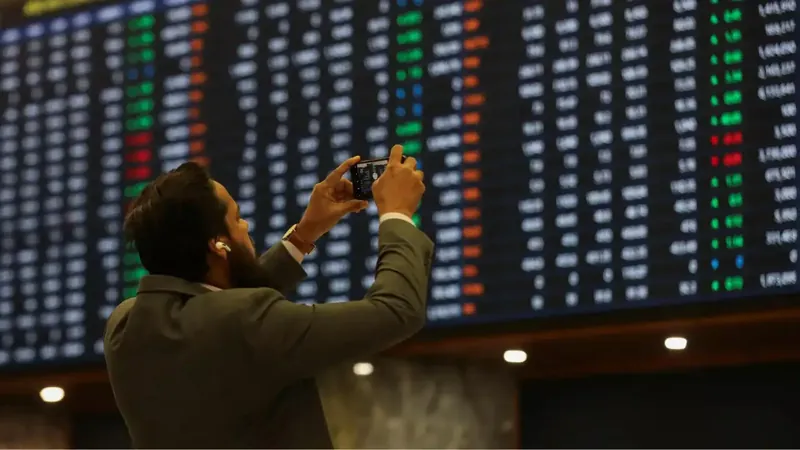
In a dramatic turn of events, Pakistan's stock market witnessed a significant downturn on Thursday, with the KSE100 index plummeting by 3,800 points. This sharp decline comes on the heels of a brief surge observed on Wednesday, which was driven by initial optimism surrounding a temporary ceasefire between the United States and Iran. However, hopes for a sustained peace have been dashed as both nations have shown reluctance to de-escalate the ongoing conflict in the Middle East.
The closure of the Strait of Hormuz, a critical chokepoint for global oil shipments, has exacerbated regional instability, further eroding investor confidence. The geopolitical tensions have sent ripples across global markets, with investors adopting a risk-averse stance. For Indian investors, the situation underscores the interconnectedness of global markets and the potential impact on oil prices, which could influence inflation and economic growth in India.
The KSE100's decline highlights the vulnerability of emerging markets to geopolitical shocks, particularly those heavily reliant on foreign investments. As the Middle East remains a volatile hotspot, market participants are closely monitoring developments, with a keen eye on any diplomatic efforts that could restore stability.
Indian investors should remain vigilant, assessing the implications of these geopolitical tensions on their portfolios. Diversification and a focus on sectors less exposed to global oil price fluctuations might be prudent strategies in navigating the current market environment. The unfolding situation serves as a reminder of the importance of geopolitical risk assessment in investment decision-making.