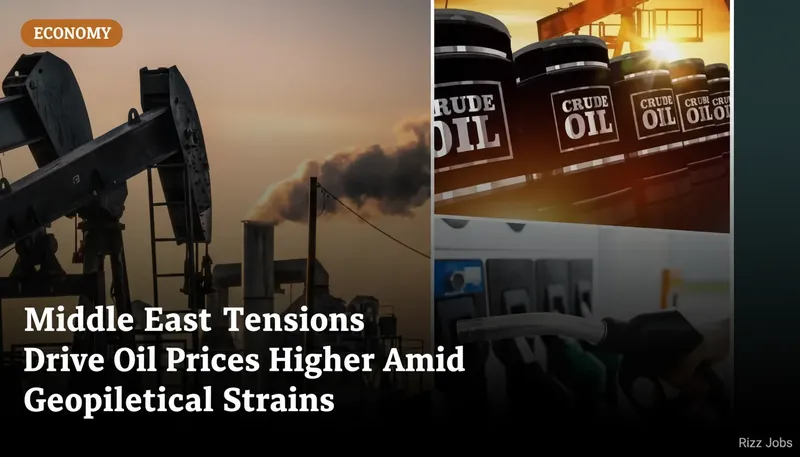
In a significant development for global energy markets, oil prices have surged as geopolitical tensions in the Middle East escalate. The latest catalyst for the price hike is Iran's release of dramatic footage showing its commandos boarding a cargo ship in the strategic Strait of Hormuz. This move, coupled with reports of Iran engaging hostile targets, has heightened fears of a potential military conflict in the region, a critical artery for global oil supply.
The Strait of Hormuz is a vital chokepoint through which approximately a fifth of the world's oil passes. Any disruption in this region can have far-reaching implications for global oil supply and, consequently, prices. The current situation has already led to a spike in oil prices, with analysts cautioning that a further breakdown in U.S.-Iran negotiations could push prices to new highs for the year.
For Indian investors and businesses, the implications are significant. India, being heavily reliant on oil imports, could face increased import bills, which may contribute to inflationary pressures domestically. This scenario could also impact the Indian Rupee, potentially leading to depreciation against the U.S. dollar as oil import costs rise. Additionally, higher oil prices could affect the profitability of Indian companies, particularly those in sectors such as aviation and logistics, which are sensitive to fuel costs.
Market analysts are closely monitoring the situation, noting that while the immediate impact is on oil prices, the broader economic implications could be substantial if tensions continue to escalate. The Indian government and businesses may need to brace for a period of volatility in energy prices and consider strategic measures to mitigate the impact.
In summary, the ongoing geopolitical developments in the Middle East are a critical factor for global markets, and Indian stakeholders must remain vigilant to navigate the potential economic challenges.