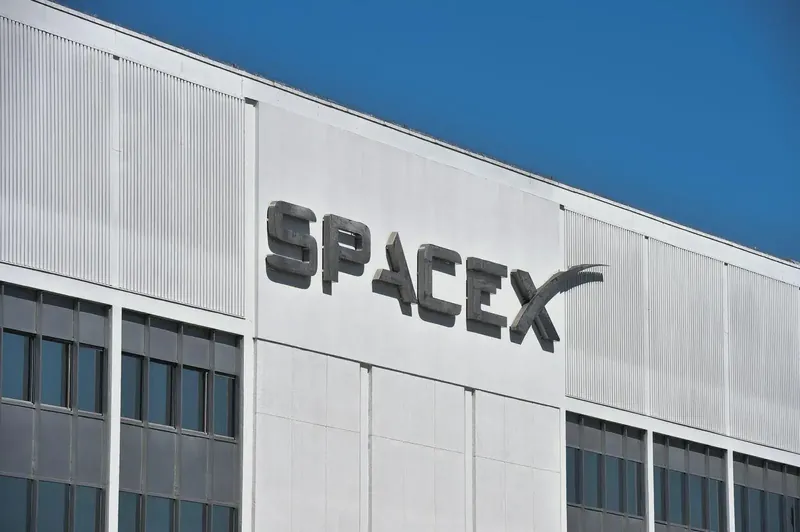
MSCI has confirmed that SpaceX is set to meet the criteria for early inclusion in its indexes, a move that could significantly impact investment funds tracking these benchmarks. SpaceX, led by Elon Musk, is preparing for an IPO on June 12, aiming for a $1.75 trillion valuation with only 7% of its shares freely tradeable.
Investment funds with trillions of dollars in assets track MSCI's indexes, and they would be required to buy shares of SpaceX if it is added to these benchmarks. This is expected to add to the demand from funds tracking the Nasdaq 100 and FTSE Russell indexes. Passively managed funds tracking MSCI indexes had around $5.79 trillion in assets as of February.
SpaceX is raising $75 billion and targeting a $1.75 trillion valuation, positioning it among the top 10 most valuable U.S.-listed firms. Despite posting a net loss of $4.94 billion in 2025, the company saw its revenue rise by 33% to $18.67 billion.
MSCI's decision contrasts with S&P Global, which recently excluded SpaceX from quick inclusion in the S&P 500 index due to its profitability criteria. Nasdaq has already adjusted its rules to facilitate the inclusion of SpaceX and other megacaps in its Nasdaq 100 index.
SpaceX is also set to be eligible for inclusion in both the Russell U.S. Equity Indexes and the FTSE Global Equity Index Series under FTSE Russell's newly announced fast-entry rules.
The final IPO price for SpaceX is due to be set on June 11, with trading on Nasdaq starting the next day. This would put SpaceX on track to join MSCI's indexes 10 trading days later, according to MSCI.
Background
The inclusion of SpaceX in major indexes is a significant development for the financial markets, given the company's high valuation and the scale of funds tracking these indexes. Investors will be closely watching the IPO and subsequent trading activity.
Investors will be closely monitoring SpaceX's IPO and its impact on index funds, as its inclusion in major indexes could drive significant market activity.