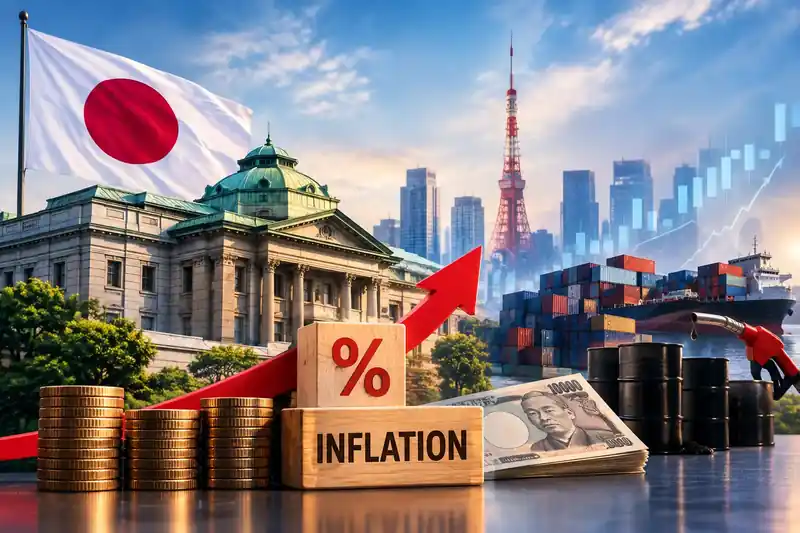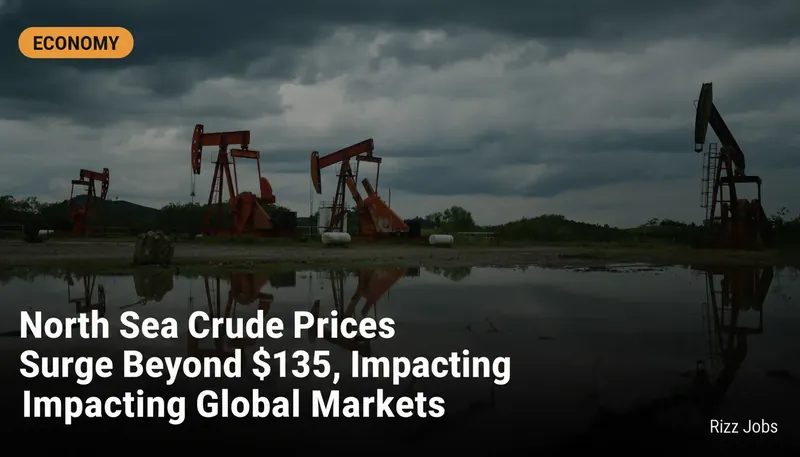
The current surge in North Sea crude oil prices, now trading above $135 per barrel, is raising significant concerns among global investors and policymakers. This price hike, driven by geopolitical tensions and supply chain disruptions, is not merely a regional anomaly but a critical indicator of the broader challenges facing the global energy market. For Indian investors, this development could have far-reaching implications, particularly in sectors reliant on oil imports.
The rise in crude prices is primarily attributed to ongoing geopolitical tensions in major oil-producing regions, coupled with supply chain bottlenecks exacerbated by the pandemic recovery. As the world grapples with these issues, the ripple effects are being felt across various sectors, from transportation to manufacturing, which are heavily dependent on oil. In India, where oil imports form a substantial part of the energy mix, the impact is expected to be pronounced, potentially leading to increased inflationary pressures.
Indian policymakers are closely monitoring the situation, as sustained high oil prices could necessitate adjustments in fiscal and monetary policies. The Reserve Bank of India may need to consider these factors in its future policy decisions, particularly if inflation begins to rise sharply. For businesses, especially those in the logistics and manufacturing sectors, the increased cost of oil could lead to higher operational costs, which might be passed on to consumers.
Investors should also be aware of the potential impact on the Indian stock markets. While the immediate reaction might be negative, with oil-dependent sectors experiencing volatility, there could be opportunities in alternative energy stocks as the country looks to diversify its energy sources. As the situation unfolds, strategic investments in energy-efficient technologies and renewable energy could offer long-term benefits.
In conclusion, the surge in North Sea crude prices is a wake-up call for Indian investors and businesses to reassess their strategies in light of global energy market dynamics. Staying informed and agile will be key to navigating these uncertain times.