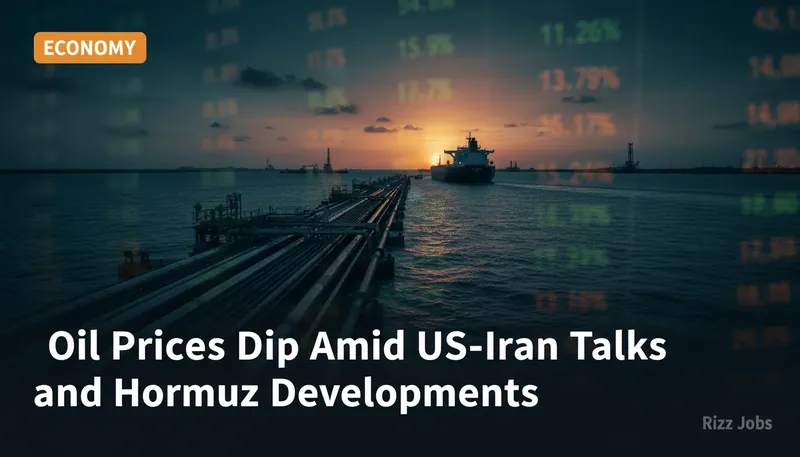
In a significant development for global energy markets, oil prices experienced a modest decline as traders reacted to ongoing diplomatic efforts between the United States and Iran. The negotiations, which aim to ease tensions and potentially lift sanctions on Iranian oil exports, have introduced a wave of cautious optimism among market participants. Despite the complexities surrounding the talks, the prospect of increased Iranian oil supply has led traders to reassess their risk positions, contributing to the downward pressure on prices.
Adding to the market dynamics is the progress in the strategic Strait of Hormuz, a critical chokepoint through which a substantial portion of the world's oil supply is transported. Any positive developments in this region are closely monitored by traders, given its potential impact on global oil flow and pricing. The combination of these geopolitical factors has resulted in a subdued trading environment, with many investors opting to adopt a wait-and-see approach ahead of the weekend.
For Indian investors and businesses, the implications of these developments are multifaceted. Lower oil prices could translate into reduced import bills for India, offering some relief to the country's current account deficit. Additionally, a potential increase in Iranian oil supply might lead to more competitive pricing in the global market, benefiting Indian refiners and consumers alike. However, the situation remains fluid, and stakeholders are advised to stay informed about any shifts in the geopolitical landscape that could affect oil market dynamics.
As the world watches the unfolding diplomatic efforts, the energy sector remains on edge, with the potential for significant market movements hinging on the outcomes of these high-stakes negotiations.