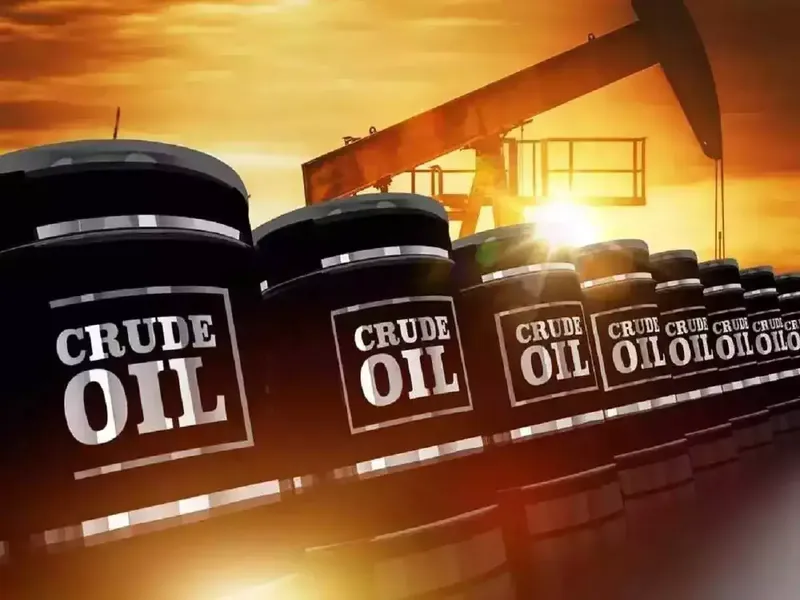
Oil prices fell as negotiations between the United States and Iran concluded in Doha, with Brent futures dropping 73 cents, or 1.02%, to $70.84 a barrel and U.S. West Texas Intermediate crude decreasing by 83 cents, or 1.21%, to $67.75 a barrel. The talks, which focused on maritime traffic in the Strait of Hormuz and unfreezing Iran's funds, ended amid ongoing tensions.
In the previous session, both Brent and WTI benchmarks had already fallen more than 1% to reach their lowest levels in four months. The discussions in Doha came after a recent exchange of strikes between the U.S. and Iran, following an Iranian attack on a cargo ship. Despite partial resumption of traffic, Iran remains firm on its stance to impose tolls on shipping from mid-August, after the toll-free period expires.
U.S. Vice President JD Vance noted that oil flows through the Strait of Hormuz have returned to pre-war levels, although no specific figures were provided. The reopening of the strait has led to increased competition for market share, contributing to the decline in oil prices and raising expectations of oversupply, according to Haitong Futures.
Adding to the potential oversupply, sources indicated that OPEC+ countries are likely to agree on a further increase in output targets by 188,000 barrels per day from August. This decision is expected to be finalized at their meeting on Sunday.
In the United States, crude inventories fell by 3.8 million barrels to 408.4 million barrels last week, marking the lowest level since September 2018. However, this draw was smaller than the anticipated 4.5 million barrels, as per a Reuters poll.
Background
The ongoing discussions and developments in the oil market are crucial as they impact global oil prices and supply dynamics. The Strait of Hormuz is a vital chokepoint for oil transportation, and any disruptions or policy changes can have significant implications for the market.
Looking ahead, market participants will be closely watching the outcomes of the OPEC+ meeting and any further developments in U.S.-Iran relations, as these factors will play a critical role in shaping oil prices and supply conditions in the coming months.