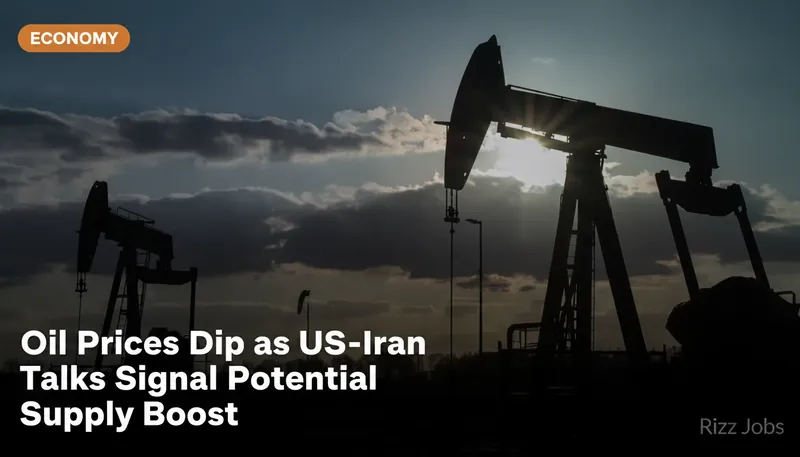
In a significant development for global energy markets, oil prices experienced a notable decline on Tuesday, driven by the anticipation of renewed diplomatic engagement between the United States and Iran. This potential thaw in relations is raising hopes for increased oil supply from the Middle East, a region critical to global energy dynamics. Brent crude futures saw a 1% drop, settling at $94.53 per barrel, while West Texas Intermediate (WTI) crude futures fell 1.72% to $88.07 per barrel.
The prospect of U.S.-Iran peace talks is being closely monitored by investors and analysts alike, as it could pave the way for an extended ceasefire or even a broader agreement. Such developments could alleviate some of the geopolitical tensions that have historically influenced oil prices. However, the path to any agreement is fraught with challenges, and disruptions remain a possibility, which could lead to volatility in the oil markets.
For Indian investors, the implications of these developments are multifaceted. A potential increase in oil supply could lead to lower global oil prices, which would be beneficial for India's economy, given its status as a major oil importer. Lower oil prices could help ease inflationary pressures, providing some relief to the Reserve Bank of India as it navigates its monetary policy objectives. Additionally, industries reliant on oil, such as transportation and manufacturing, could see reduced operational costs, potentially boosting corporate earnings.
However, it's important to remain cautious as the geopolitical landscape is inherently unpredictable. Investors should keep a close eye on the progress of these talks and be prepared for potential market fluctuations. The outcome of the U.S.-Iran discussions could have far-reaching implications, not just for the energy sector but also for broader economic conditions.