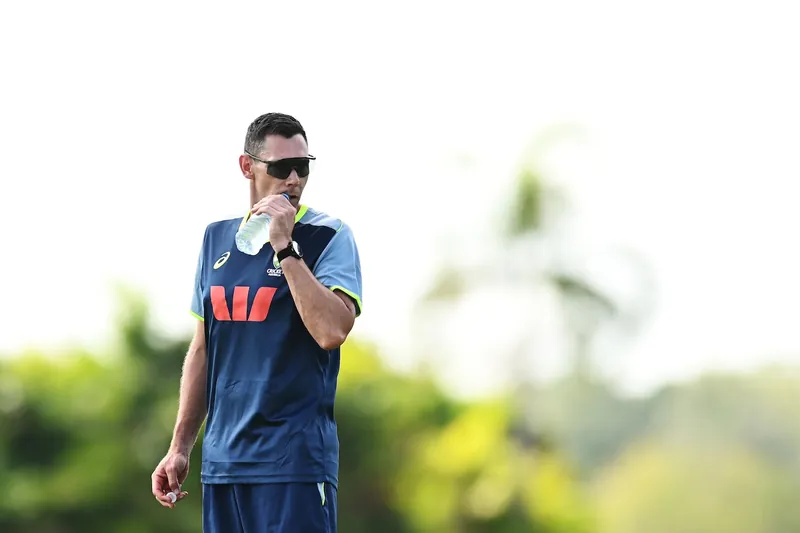
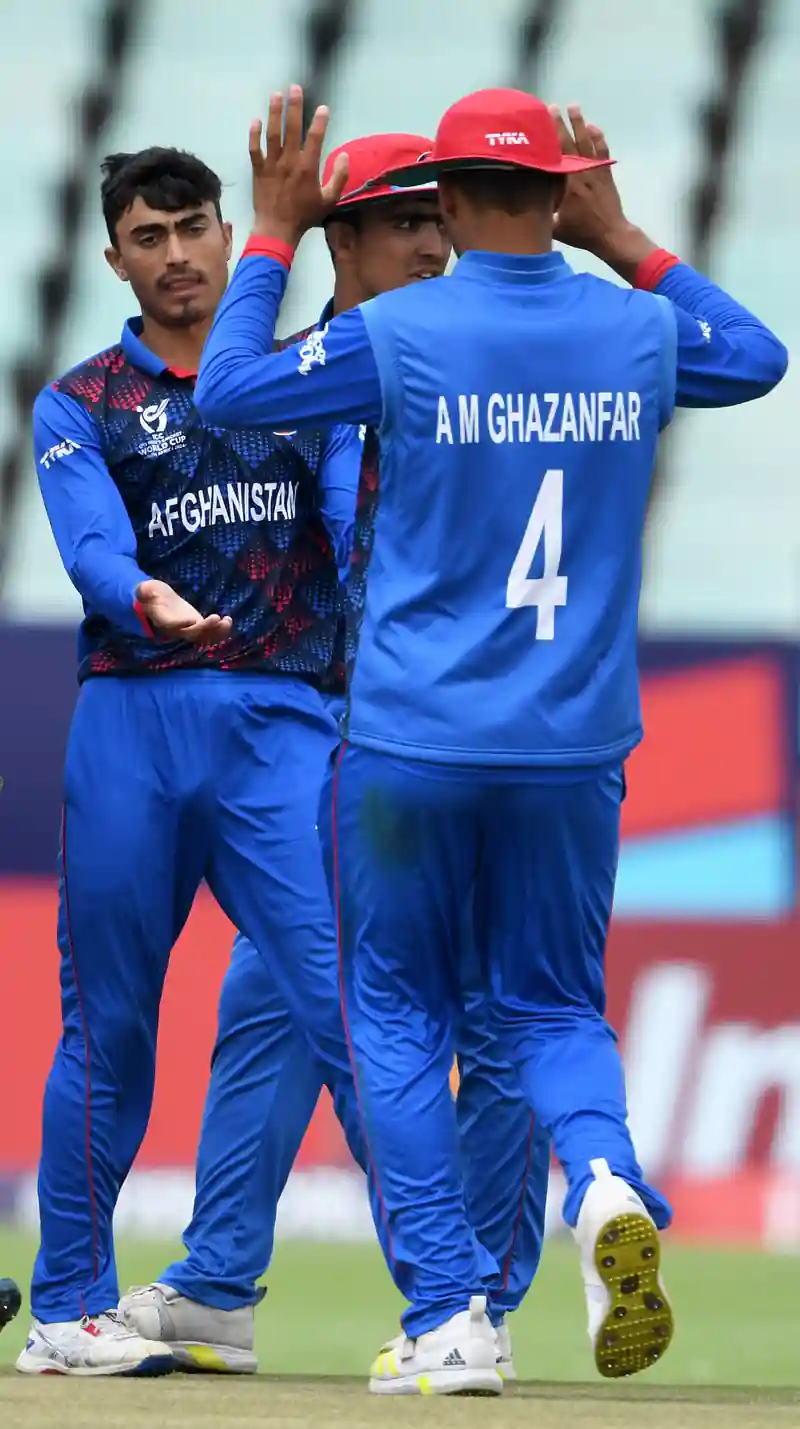
In a candid revelation, Rashid Khan, the celebrated Afghan cricketer, acknowledged his misstep in hastily returning to the cricket field following surgery last year. Rashid, a key player in the Indian Premier League (IPL), admitted that his eagerness to rejoin the game led him to resume playing just two months post-surgery, a decision he now views as premature. This admission sheds light on the pressures athletes face to perform, often at the expense of their health. For investors and stakeholders in the IPL, Rashid's experience underscores the importance of player welfare and the potential risks associated with pushing athletes too hard, too soon. The IPL, a significant revenue generator, relies heavily on the performance and health of its star players. Any compromise in player fitness can have ripple effects on team performance, fan engagement, and ultimately, financial returns. Rashid's story is a reminder of the delicate balance between maintaining player health and meeting competitive demands. As the IPL continues to grow in stature and financial significance, the league's management and team owners must prioritize sustainable athlete management practices to safeguard their investments and the league's reputation. This incident also highlights the broader issue of athlete management in sports, where the pressures of commercial success often overshadow the long-term well-being of players.
ipl
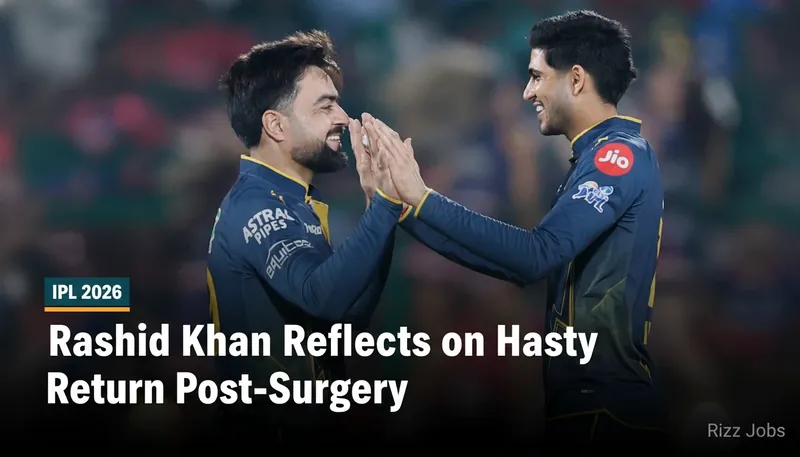
Rashid Khan Reflects on Hasty Return Post-Surgery
Rizz Jobs News Desk··2 min read
Market Briefing
- Rashid Khan admits to rushing back to the field post-surgery, highlighting the pressures athletes face.
- This raises concerns about player welfare in the IPL.
Share this story
Topics
Rashid KhanIPL 2023player welfaresports managementathlete health
Stay Informed
India's financial news, delivered daily.
Finance, markets, economy and startup updates — straight to your inbox.
Subscribe Free →