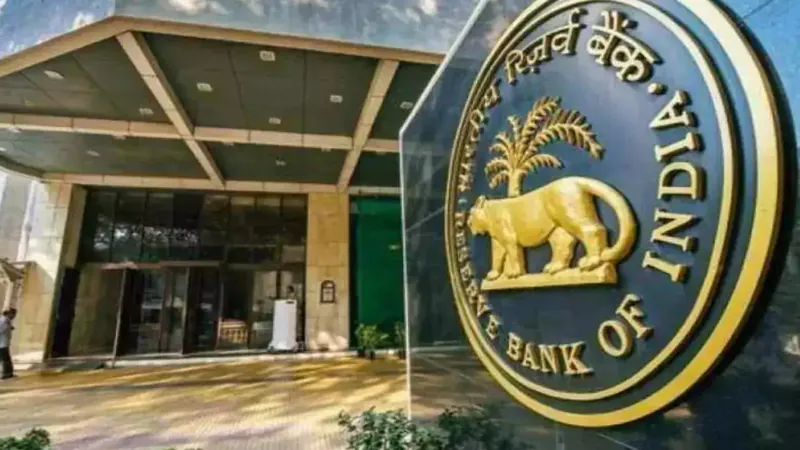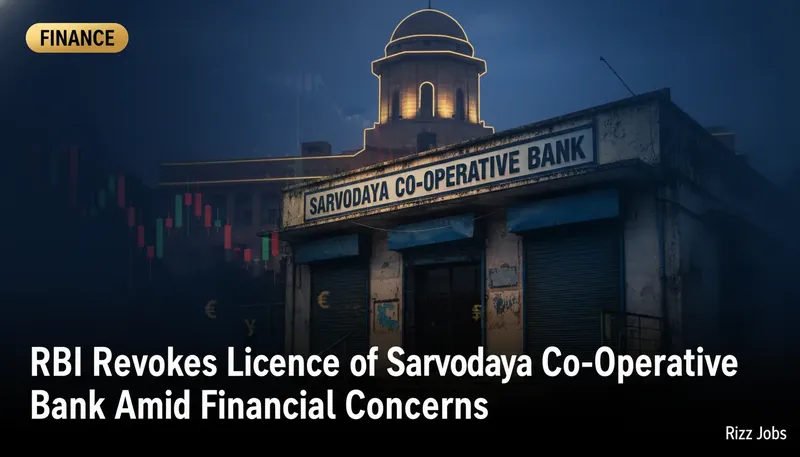
In a significant move reflecting the Reserve Bank of India's (RBI) ongoing vigilance over the banking sector, the central bank has cancelled the licence of Mumbai-based Sarvodaya Co-Operative Bank. This decision is driven by the bank's weak earning prospects and its inability to comply with the regulatory requirements necessary to maintain a banking licence. The RBI's action underscores its commitment to safeguarding the interests of depositors and maintaining the stability of the financial system.
Sarvodaya Co-Operative Bank, which has been struggling with financial instability, failed to demonstrate a viable plan to improve its financial health. The bank's deteriorating balance sheet and inability to meet the minimum capital and regulatory norms prompted the RBI to take this decisive step. As a result, the bank is prohibited from conducting any banking operations, including accepting deposits and repaying deposits.
For depositors, the Deposit Insurance and Credit Guarantee Corporation (DICGC) will pay up to ₹5 lakh per depositor, as per the insurance cover provided. This move aims to mitigate the impact on depositors and maintain trust in the banking system.
The cancellation of Sarvodaya Co-Operative Bank's licence highlights the challenges faced by smaller co-operative banks in maintaining financial health amid economic uncertainties. It also serves as a reminder of the importance of robust risk management practices and adherence to regulatory norms. For the broader financial sector, this action by the RBI reinforces the message that regulatory compliance and financial prudence are non-negotiable. Investors and stakeholders in the banking sector will be closely watching how the RBI continues to enforce its regulatory framework to ensure financial stability.