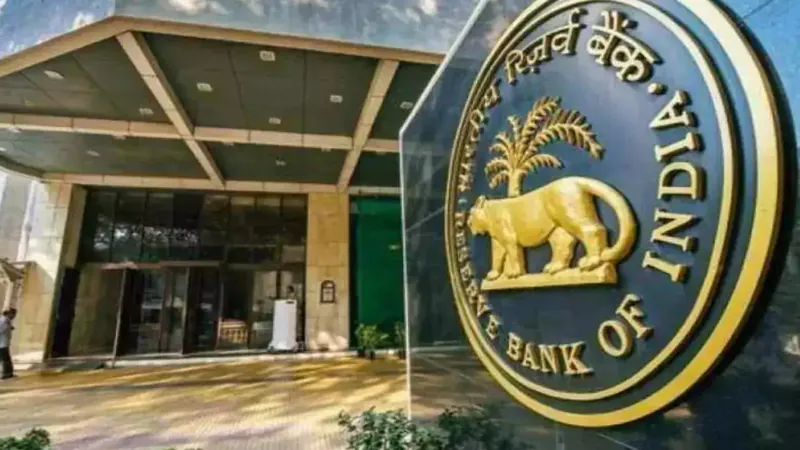
In a significant development for India's financial markets, shares of BSE, Motilal Oswal Financial Services, Groww, and Angel One experienced a notable rally, climbing as much as 8% following the Reserve Bank of India's (RBI) decision to postpone the implementation of stricter liquidity norms. Originally set to take effect sooner, these regulations have now been deferred by three months to July 2026. This delay offers a much-needed reprieve for brokerage firms, allowing them to continue utilizing margin-backed bank guarantees—a crucial tool for managing liquidity and operational efficiency.
The RBI's decision arrives at a critical juncture for the financial sector, which is grappling with the dual challenges of adapting to new transaction taxes and impending changes to the Margin Trading Facility (MTF) rules. By extending the timeline for compliance, the central bank aims to ease the regulatory burden on brokers, providing them with additional time to adjust their operations and ensure seamless compliance with the upcoming norms.
Market analysts suggest that this move could stabilize the brokerage sector, which has been under pressure due to evolving regulatory landscapes and increased competition. The ability to use bank guarantees for a longer period may help brokers maintain liquidity and operational flexibility, thereby supporting their growth and profitability in the near term.
For investors, the RBI's decision signals a more accommodative regulatory approach, which could enhance market confidence and foster a more favorable investment climate. As the financial sector continues to navigate these regulatory changes, the RBI's willingness to adjust timelines underscores its commitment to balancing regulatory rigor with market stability.
Overall, the rally in shares of BSE, Groww, Motilal Oswal, and Angel One reflects investor optimism about the sector's ability to adapt to regulatory changes while maintaining growth momentum. As the July 2026 deadline approaches, stakeholders will be closely monitoring the sector's response and the RBI's future policy directions.