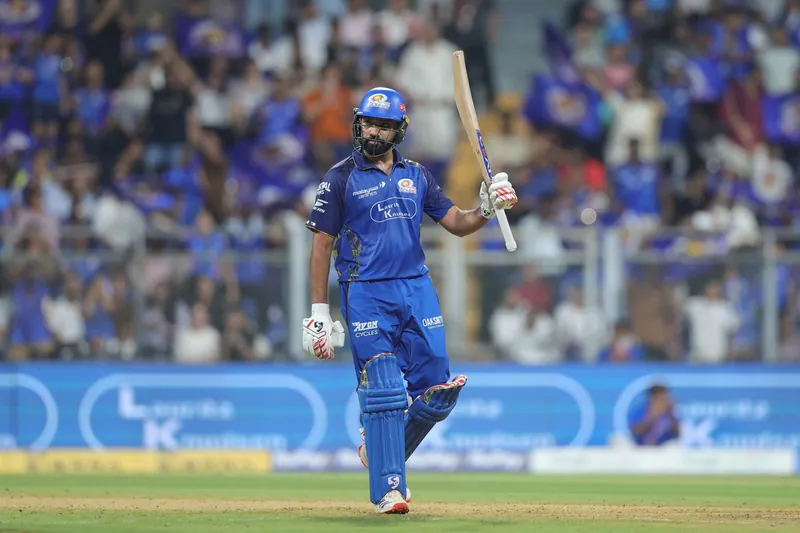
The return of Rohit Sharma to the Mumbai Indians (MI) lineup has injected a fresh wave of optimism among fans and stakeholders. Rohit, a seasoned campaigner and a pivotal figure in the Indian Premier League (IPL), showcased his prowess on the field, aiming to steer MI out of their current predicament. The team's struggle in his absence was palpable as they grappled with finding the right mix of overseas and Indian players, which inadvertently weakened their batting lineup and saw them languishing near the bottom of the points table.
Rohit's comeback is not just about his individual performance; it is a strategic move that could potentially recalibrate MI's season trajectory. His leadership and batting skills are crucial in restoring the team's competitive edge. For investors and business minds, the performance of MI holds significant implications. The franchise, owned by Reliance Industries, is not just a cricket team but a brand with substantial commercial interests. A strong performance in the IPL can enhance brand value, drive merchandise sales, and attract sponsorship deals, thereby impacting the financial ecosystem surrounding the team.
However, the question remains whether Rohit's return is timely enough to salvage the season. With the IPL being a high-stakes tournament, each match carries weighty consequences for team standings and financial returns. The coming weeks will be critical in determining whether MI can leverage Rohit's return to climb the points table and secure a playoff berth.
As the IPL season progresses, stakeholders will be keenly observing MI's performance, as it not only affects the team's fortunes but also has broader implications for the IPL's commercial landscape. The synergy between on-field success and off-field financial gains underscores the importance of strategic player management and team dynamics in professional sports.