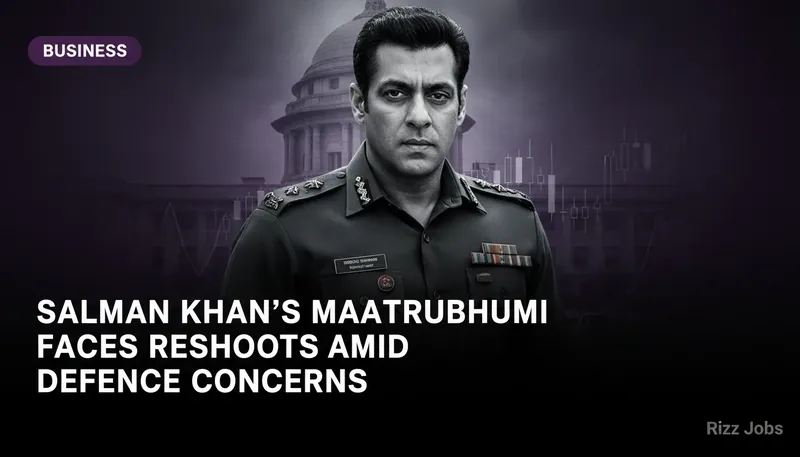
In a significant development for the Indian film industry, Salman Khan's much-anticipated film 'Maatrubhumi' is undergoing substantial reshoots after objections raised by the defence authorities. Reports indicate that nearly 40% of the film is being reshot to address these concerns. This move has inevitably led to speculations about the film's release date, which remains uncertain. The defence objections reportedly pertain to certain scenes that were deemed sensitive, necessitating a re-evaluation of the film's content to align with national security protocols. This is not an isolated incident in Bollywood, where filmmakers often have to navigate a complex landscape of regulatory and societal expectations.
The delay in the release has inadvertently fueled speculation about the film's potential debut on OTT platforms. With the rise of digital streaming services in India, many filmmakers are considering OTT releases as a viable alternative to traditional theatrical releases, especially in light of the recent pandemic-induced disruptions. The growing buzz around 'Maatrubhumi' on OTT platforms could signal a shift in how big-budget films are distributed in the future.
For investors and stakeholders in the Indian entertainment sector, this situation underscores the importance of risk management and adaptability. The film industry, much like other sectors, is subject to external pressures that can impact production timelines and distribution strategies. The case of 'Maatrubhumi' highlights the need for contingency planning and flexibility in business operations. As the OTT market continues to expand, it presents both challenges and opportunities for traditional cinema, potentially reshaping the industry's economic landscape.
As the situation unfolds, industry watchers will be keenly observing how Salman Khan and the producers of 'Maatrubhumi' navigate these challenges, and what implications this might have for future film projects in India.


